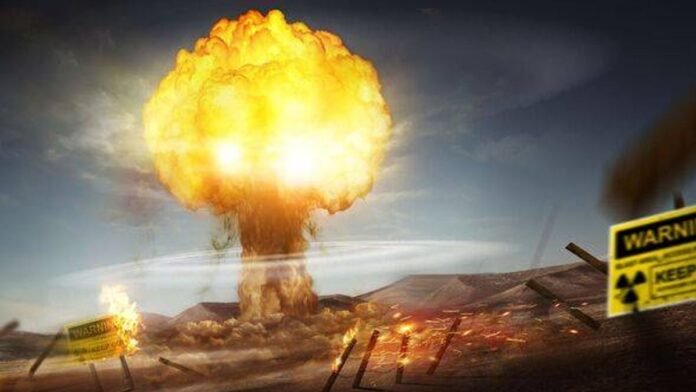
Britain is facing increasing worries about its susceptibility to a nuclear attack as global tensions continue to rise. RAF Lakenheath in Suffolk, under United States operation, is set to become a site for US/NATO nuclear weapons, positioning the UK at the forefront of potential conflict between the US and Russia.
The presence of American nuclear weapons on British territory heightens the country’s risk of being targeted. Military experts indicate that in the event of a war, Lakenheath would likely be a primary target before other areas are struck.
While analysts acknowledge the devastating global impact of a nuclear conflict involving the US, NATO, and Russia, it is essential to understand the direct repercussions for British communities. The Campaign for Nuclear Disarmament cautions that a single nuclear strike on any town or city would have catastrophic effects on the local populace and environment, with radioactive fallout spreading far and wide.
Their report highlights that an attack with Russian warheads like the SS-25 or SS-27 on major UK cities such as London, Glasgow, or Cardiff could result in significant casualties. The nuclear explosion’s epicenter would reach extreme temperatures, obliterating human tissue within a specified radius.
Looking back at history, the aftermath of the atomic bombings in Hiroshima in 1945 serves as a stark reminder of the destructive power of nuclear weapons. The report outlines the potential fatalities and widespread destruction that would result from a nuclear strike, including immediate fatalities, injuries, and long-term health complications due to radiation exposure.
The aftermath of a nuclear war would not only lead to immediate casualties but also create long-lasting environmental and health issues, including disruptions to food production and climate patterns. The far-reaching consequences of a nuclear conflict underscore the urgent need for global efforts towards nuclear disarmament and peace initiatives.