In a comprehensive 760-page report, Britain’s pandemic government has received a final verdict, with a notable focus on the lack of urgency at the onset of the health crisis and the failure to prepare for a potential second wave. Baroness Heather Hallett, the inquiry chair and a distinguished judge, labeled these shortcomings as “inexcusable,” attributing them to the loss of many lives.
Addressing the public in a live broadcast following the report’s release, Baroness Hallett criticized the government’s repeated failures in 2020, highlighting the missed opportunities to effectively combat the predicted second wave. Despite advancements in scientific knowledge and improved data infrastructure, the government’s response was deemed inadequate and untimely.
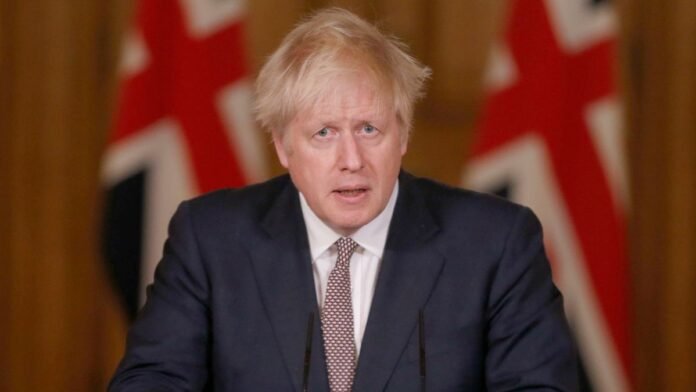
The scathing assessment by Baroness Hallett raises significant concerns about Boris Johnson’s leadership during the crisis, suggesting that he was ill-suited to guide the nation in such challenging times. The report’s broad scope, established in 2022, delves into the significant financial toll of £376 billion on the Treasury and the widespread loss of life and long-term health implications, including the prevalence of Long Covid.
While acknowledging that not all pandemic-related consequences can be solely attributed to Boris Johnson, the report emphasizes the imperative for governments to learn from the mistakes made and avoid repeating them in the face of future pandemics, which experts predict as inevitable.
Baroness Hallett’s concluding remarks underscore the necessity for implementing fundamental changes and learning vital lessons to prevent the sacrifices made during the Covid-19 crisis from being in vain. The report also implicates the government in fostering a “toxic culture,” particularly in relation to the handling of public health guidelines and restrictions, which contributed to the loss of trust and adherence among the populace.
The extensive 800-page report, the second from the Covid-19 Inquiry, scrutinizes the political decision-making processes throughout the pandemic and points out that delayed government actions may have necessitated the initial lockdown. The report serves as a critical evaluation of the government’s response to the unprecedented health crisis, urging for enhanced preparedness and swift, effective measures in the future.

