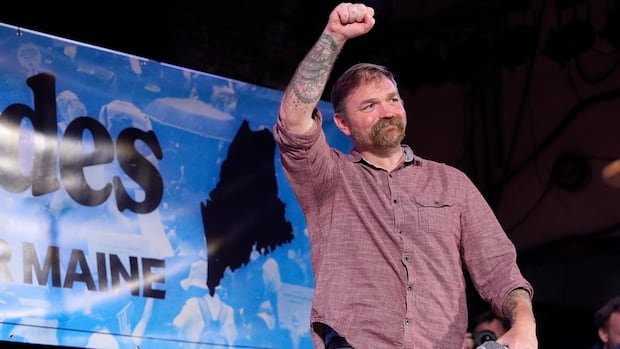
The Democratic Party faced a dilemma in appealing to working-class voters who had shifted allegiance to Donald Trump and the Republicans. They debated whether to adopt a more populist, left-leaning stance or a centrist, moderate approach. Opting for the former, they embraced Graham Platner, an unconventional candidate embodying the populist vision, characterized by his military background and oyster farming in Maine. However, Platner’s campaign recently unraveled following allegations of sexual assault made by a former partner, casting a shadow over his candidacy. Despite Platner’s denial of the accusations, he decided to withdraw from the race, accusing party elites of undermining the grassroots movement that propelled his primary victory.
Now, the Democrats are tasked with swiftly selecting a replacement candidate for Platner, aiming to secure the Senate seat traditionally held by Maine Republican Susan Collins. The controversy surrounding Platner has highlighted the internal divisions within the party, with tensions surfacing between establishment figures and insurgent factions. Critics argue that inadequate vetting of Platner’s background by left-wing strategists has placed the Democratic Party in a challenging position.
The fallout from Platner’s scandal has reignited the debate between establishment and anti-establishment Democrats, reminiscent of the party’s internal struggles since the 2016 election. As the party navigates the process of selecting a new candidate, concerns loom about repeating past mistakes, similar to the challenges faced during the 2024 presidential campaign.
Looking ahead to the upcoming midterm elections, the Democrats aim to overturn the Republican majority in the Senate. With a narrow margin in both the House and Senate, coupled with President Trump’s waning popularity, Democrats see an opportunity to make significant gains in Congress. Despite the turmoil in Maine, experts remain optimistic about the Democrats’ chances of winning control of the House and potentially making headway in the Senate, underscoring the party’s resilience in the face of internal strife. The Maine Democratic Party has announced plans for a convention to select a new candidate before the July 27 deadline to finalize the Senate ballot.