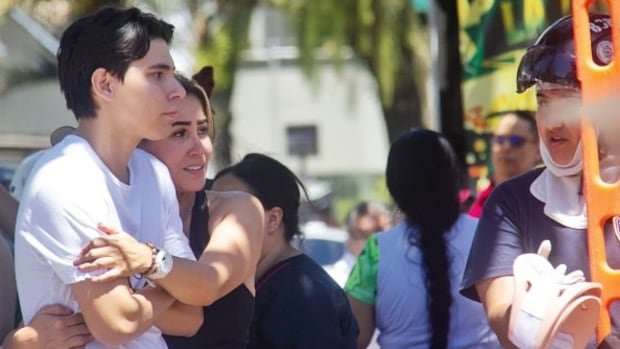
Rescue teams are frantically searching for survivors in western Colombia following a devastating earthquake that has claimed over 250 lives, as estimated by local authorities. The 7.4-magnitude quake, the strongest to hit Colombia in decades, wreaked havoc in the country’s coffee-growing region, causing extensive damage to buildings and infrastructure.
In the most severely impacted areas, rescue operations continued throughout the night, with crews utilizing heavy machinery and even their bare hands to extract individuals trapped under debris. The focus remains on saving lives, ensuring the prompt arrival of rescue teams, and providing essential medical aid and facilities, according to Interior Minister Rodrigo Lara.
The official death toll stood at 126 with 1,495 reported injuries as of Monday night, as per the United Nations Office for the Coordination of Humanitarian Affairs (OCHA). However, local assessments on Tuesday suggested a higher toll of around 254, indicating an ongoing crisis as rescue teams gain access to more affected regions and communication networks are gradually restored.
Nearly 5,000 homes suffered damage, and numerous buildings collapsed or were destroyed, impacting countless families. In Cali, residents coped with the aftermath of the disaster, salvaging belongings and adapting to temporary living arrangements following structural failures in homes and hospitals. The collapse of parts of a hospital in the city left patients in precarious situations, underscoring the urgent need for assistance.
In Pereira, one of the hardest-hit cities, entire residential neighborhoods lay in ruins, prompting residents and volunteers to join forces in search and rescue efforts. The community spirit was palpable as individuals banded together to aid those in distress, highlighting the resilience and solidarity in the face of tragedy.
The earthquake inflicted substantial damage on critical infrastructure, leading to the closure of multiple airports and widespread disruptions to road networks. Essential services such as electricity, water, healthcare, and telecommunications were severely impacted, hindering rescue operations and relief distributions, particularly in Choco near the quake’s epicenter.
As international support mobilizes, the United States and the Inter-American Development Bank have pledged financial assistance for emergency relief and reconstruction efforts. With communication challenges persisting in heavily affected areas, authorities anticipate that assessing the full extent of the destruction and determining the final casualty count may require additional time.