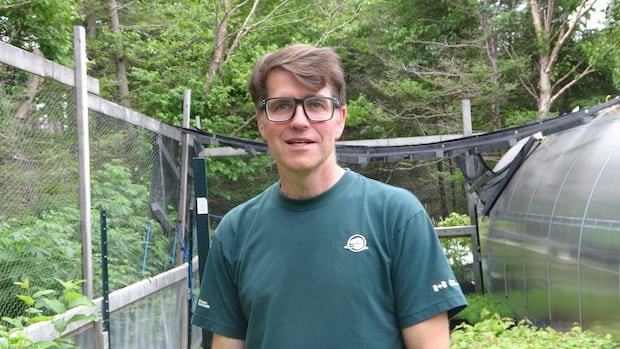
Crews are currently engaged in a large-scale tree planting project in western Newfoundland’s expansive national park to aid in the rejuvenation of its forests, which suffered significant damage due to a previously prolific moose population. Darroch Whitaker, an ecosystems scientist with Parks Canada at Gros Morne National Park, revealed that over 730,000 trees have been planted since 2023 in areas that were transformed from forests to grasslands by voracious herds of moose. The plan is to continue planting for another three years, aiming to reach a total of 1.25 million trees covering an area of approximately four square kilometers.
The tree planting initiative is not solely focused on restoring the forests decimated by the moose but also on strategically selecting tree varieties capable of thriving in warmer climates, thereby establishing resilient forests that can better endure the effects of climate change. Whitaker emphasized the importance of considering future climate conditions to ensure the longevity of the newly planted trees, which are expected to endure for generations to come.
Gros Morne National Park, renowned for its majestic fiords and boreal forests intersected by rivers and waterfalls, spans 1,805 square kilometers and was designated in 1973 as the second-largest national park in Atlantic Canada. While moose are abundant throughout Newfoundland, their population soared in Gros Morne due to a historical hunting ban that shielded them from their only natural predator on the island – humans.
In the 1990s, the park harbored around 6,500 moose, with some areas hosting six or more animals per square kilometer, marking some of the highest moose densities ever recorded globally. However, the unchecked moose population wreaked havoc by consuming copious amounts of young trees, exacerbating issues in areas where trees had previously perished, leaving behind barren patches known as “moose meadows.”
To address the ecological imbalance, the park was opened to moose hunting in 2011, resulting in the reduction of the population to a more sustainable 2,000 animals. Subsequently, in 2023, tree planters began reforesting the affected areas by planting two-year-old saplings in the moose meadows, kickstarting the forest regeneration process.
The saplings, primarily composed of black and white spruce and balsam fir, are augmented with a mix of specialty tree species like yellow birch, white pine, and wild cherry, predominantly found in the park’s southern regions. Seeds sourced from the park’s warmer southern areas are utilized to ensure the newly planted trees are acclimated to anticipated temperature shifts as they mature, aiding in their long-term survival.
Whitaker stressed the importance of proactive intervention in helping trees adapt to changing climates, as they are stationary and rely on external assistance for migration. By incorporating diverse tree species and utilizing region-specific seeds, the reforestation efforts aim to create robust forests capable of withstanding future environmental challenges.