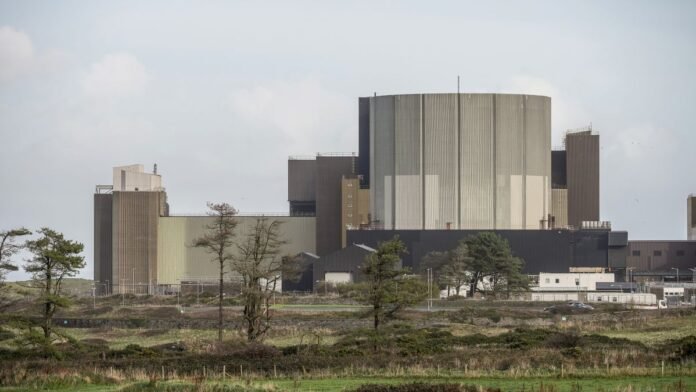
Britain has officially announced the location for its inaugural mini nuclear power station, which will be situated in Anglesey, North Wales. The project is spearheaded by the government-backed Great British Energy-Nuclear (GBE-N), with an investment of £2.5 billion. In addition, GBE-N is also tasked with scouting potential sites for another substantial nuclear power facility, akin to those under construction at Hinkley Point and Sizewell.
These small modular reactors are designed for on-site assembly as prefabricated units, aiming for faster construction compared to traditional plants like Hinkley Point C. The Department for Energy Security and Net Zero has disclosed that the Wylfa plant will create around 3,000 jobs during peak construction, revitalizing the local economy. The initiative is envisioned to transform Wylfa into a hub for nuclear energy, following unsuccessful previous attempts to reintroduce nuclear power to the location of a former reactor.
The pioneering small modular reactors, developed by engineering titan Rolls-Royce, are anticipated to provide electricity for approximately three million households. Prime Minister Sir Keir Starmer emphasized the government’s commitment to revitalizing the nuclear sector, citing the importance of job creation, investment influx, and future energy cost reductions.
Welsh First Minister Eluned Morgan hailed the nuclear project as a pivotal moment for Ynys Mon and the entire region, highlighting the promise of secure jobs and energy for future generations. GBE-N is set to commence work on the Anglesey site next year, with an initial plan for three reactors and a potential capacity for up to eight mini power plants. The goal is for the Wylfa reactors to start contributing power to the grid by the mid-2030s.
Industry stakeholders, such as Unite general secretary Sharon Graham and Prospect’s senior deputy general secretary Sue Ferns OBE, underscored the significance of both small modular reactors and larger-scale nuclear projects in ensuring long-term energy security and job creation in the UK. They expressed optimism about the role of nuclear energy in fostering economic growth and sustainability, particularly in regions like Wylfa, with a rich nuclear heritage and promising future potential.