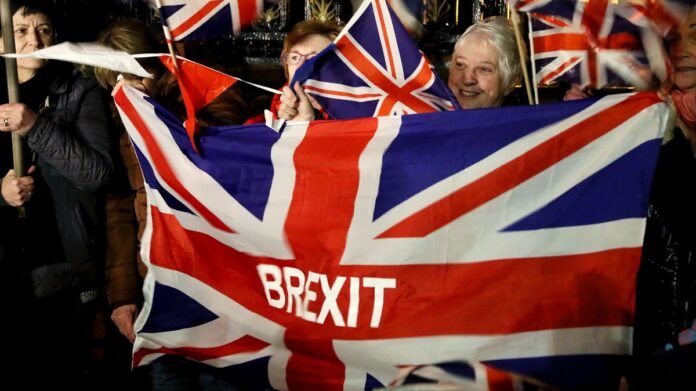
On the sixth anniversary of Brexit, the decision to leave the European Union continues to have negative repercussions on the economy, politics, and society of Britain. The economic impact alone has been significant, with reports indicating a loss of £140 billion for the country. Amidst global challenges such as a hostile US administration under Donald Trump and the rise of authoritarian powers like China, the importance of rejoining the EU for Britain’s future prosperity is increasingly evident.
Political figures like Keir Starmer are advocating for closer ties with European neighbors to secure economic benefits and counter external threats. Efforts are underway to address the shortcomings of the current Brexit deal, with calls to remove trade barriers gaining momentum among Cabinet Ministers and the public. These shifts in opinion indicate a growing sense of regret over Brexit, with more voices supporting a return to the EU.
In the political landscape, discussions around Europe serve not only as a strategic move to protect against attacks from rival parties but also as a potential policy shift for Labour in future elections. Despite past commitments to stay out of the Customs Union and Single Market, there is increasing pressure for a reevaluation given the failures and costs associated with Brexit. Criticism of those who misled the public during the referendum, including figures like Kemi Badenoch and Nigel Farage, highlights the need for a truthful assessment of Brexit’s impact and the necessity of reintegration with the EU for economic recovery.
As Brexit marks another year of challenges, the focus remains on acknowledging the damage caused and charting a path towards undoing it through reengagement with the European Union.