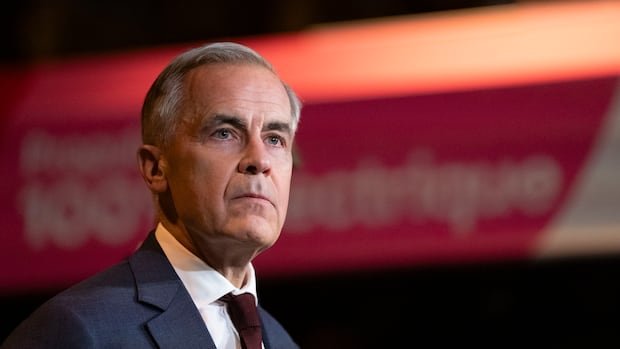
The Trump administration implemented new tariffs on Canadian goods worth billions of dollars after failed trade negotiations between the two countries. Canadian Prime Minister Mark Carney announced plans to retaliate “dollar for dollar” against the U.S. following the imposition of 50 per cent tariffs on various products. Despite close attempts to reach an agreement, Ottawa rejected the final terms proposed by the White House, leading to the suspension of trade talks.
In response to the breakdown in negotiations, U.S. President Donald Trump did not provide an immediate comment. U.S. Trade Representative Jamieson Greer stated that Canada’s refusal to finalize the trade deal under the agreed terms resulted in the collapse of talks. Greer expressed disappointment over Canada’s new demands and withdrawal from previous commitments, citing ongoing retaliatory measures against the U.S.
The escalation of tariffs marks a significant turn in the once amicable trade relations between Canada and the U.S. Trade Minister Dominic LeBlanc engaged in discussions with his American counterpart throughout the week to secure a deal before the deadline. While specific details of the proposed agreement were not disclosed, sources indicated that it aimed to reduce tariffs affecting key Canadian sectors, such as aluminum, steel, and automobiles.
The impending trade dispute raised concerns among businesses on both sides of the border, awaiting the impact of the latest tariff threats on their operations. The Canadian Chamber of Commerce criticized the new American tariffs as detrimental to North American competitiveness. Under the new policy, hundreds of products valued at over $28 billion will be subject to 50 per cent tariffs, spanning various industries including electronics, plastics, and wood products.
The implementation of tariffs under Section 338 of the U.S. Tariff Act signifies a departure from previous trade practices, potentially affecting goods previously exempt under the Canada-United States-Mexico Agreement. Sectors like electronics and plastics are expected to bear the brunt of the tariffs, with provinces like British Columbia and Quebec particularly vulnerable due to their high export dependence on affected products.