A group of five former chairs of a committee advising the federal government on endangered species has recently raised alarm about proposed modifications to the Species At Risk Act. The changes, if implemented, could potentially result in the deliberate extinction of endangered species in Canada, as emphasized in an open letter published by the scientists.
Over 600 species are currently listed under the legislation. The potential alterations being contemplated by the government could significantly diminish the effectiveness of the act and the protection it offers, as stated in a press release issued by the concerned scientists a week ago.
The scientists, who previously chaired the Committee on the Status of Endangered Wildlife in Canada (COSEWIC), forwarded the letter to the federal government last month. COSEWIC acts as an independent advisory body that evaluates species at risk of extinction and provides recommendations for their inclusion in endangered species legislation.
The scientists decided to make the letter public to prevent Canadians from being complicit in the deliberate extinction of wildlife species in Canada, according to the press release. This development comes at a time when the government is considering significant revisions to environmental regulations, including the Species At Risk Act, to expedite the approval and construction of major projects.
In May, two federal discussion papers proposed the advance approval of major projects and exempting certain projects from the required “jeopardy test” under the law if they are deemed to serve the national interest. This move has been criticized as overly drastic by David Green, a biologist and emeritus professor at McGill University, who is among the former COSEWIC chairs involved in the letter.
The jeopardy tests, which prevent projects that could harm species listed under the act and their critical habitats from being authorized if they pose a threat to their survival, are crucial for safeguarding endangered species, according to Green.
Furthermore, the proposed changes would grant the government the authority to establish “federal economic zones” where industrial development could be pre-approved. Cabinet would also be empowered to pre-approve pipelines before route selection and exempt them from federal impact assessments.
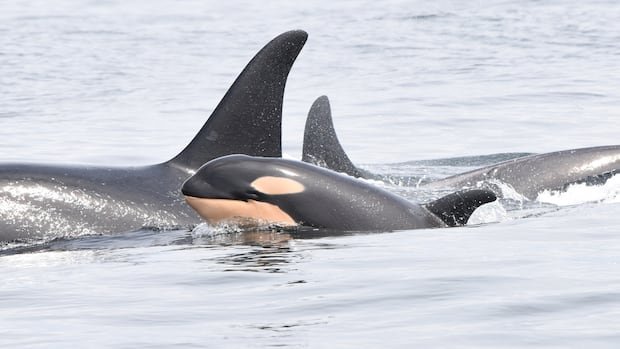
The letter specifically mentions a new West Coast oil pipeline currently under consideration as a project of national interest. This pipeline, if approved, would transport approximately one million barrels of crude oil daily over about 1,250 kilometers using a route similar to the existing Trans Mountain pipeline, according to the Alberta government. This project could have severe negative impacts on multiple species protected under the act, such as the southern resident killer whale and the Chinook salmon, their main food source, which is being considered for listing.
Both of these species and their critical habitats are located in the Salish Sea, a network of coastal waterways in southern British Columbia, where the proposed pipeline would terminate. The scientists caution that the pipeline could potentially endanger the entire population of the already imperiled killer whales due to increased tanker traffic noise and habitat destruction.
The Liberal government’s proposed changes have shocked Green, given the significance of the Species At Risk Act when it was enacted 25 years ago. Kathryn Harrison, a UBC professor specializing in climate and energy politics, views the potential changes under Bill C-5 as setting an extraordinary precedent.
The scientists are still awaiting a response from the government regarding their letter. The Privy Council Office has affirmed the government’s commitment to species conservation and recovery and meeting its obligations under the Species At Risk Act. The government’s rationale for the potential changes revolves around the need to expedite projects that bolster the economy and reduce dependence on the U.S. amid the ongoing trade tensions.
While the government has extended the public engagement period following criticism from First Nations and environmental groups, formal legislation is expected after Parliament reconvenes in September. Green urges the government to reconsider its stance, emphasizing the irreversible consequences of eliminating species from Canada.