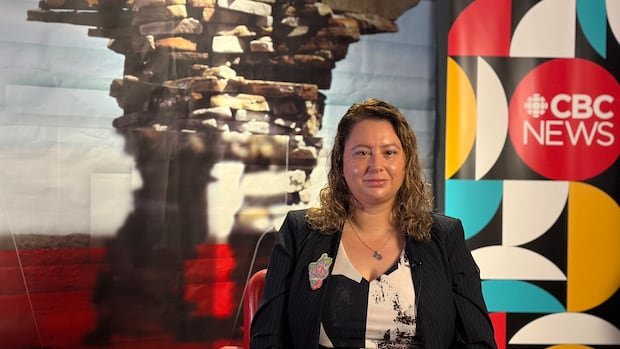
A growing number of Indigenous women in the northern regions are engaging in field research, a trend that is inspiring a new wave of female scholars, according to researchers. Nicole Redvers, an associate professor at Western University and a member of the Deninu Kue First Nation in the N.W.T., highlighted the surge of female Indigenous students pursuing advanced degrees over the past few years. While there is a lack of specific data on Indigenous women involved in field research in the North, Statistics Canada reports an increase in Indigenous women enrolling in post-secondary education in Canada between 2016 and 2021.
Redvers emphasized the need for a centralized university in the North to better monitor such trends across all territories. She attributed the rise in Indigenous female researchers to factors like heightened geopolitical interest in the Arctic, enhanced funding opportunities, and increased visibility of female Indigenous scholars, which was previously a significant challenge.
The changing landscape in academia is driven by Indigenous women asserting the validity of Indigenous methodologies, community knowledge, and oral histories, shared Ashley Ens, a PhD student from the Nihtat Gwich’in community in the N.W.T. Female Indigenous researchers are reshaping academic spaces to accommodate women’s responsibilities to their families and communities while pursuing degrees. Ens shared her positive experience of being able to bring her child to her academic pursuits, highlighting the supportive environment for women in these spaces.
Despite progress, Ens emphasized the need for institutions to do more by providing sustained funding for community-led projects and facilitating northern students’ access to southern universities. She stressed that true reconciliation in research involves shifting power dynamics in determining research questions, controlling information, allocating resources, and distributing benefits.
By integrating traditional knowledge and involving community members in their work, northern researchers are establishing trust within Indigenous communities, noted Redvers. Laurie-Ann Lines, a senior researcher at the Institute for Circumpolar Health Research in Yellowknife, expressed admiration for the growing presence of Indigenous female graduate and post-doctorate students. Lines, a member of the Yellowknives Dene First Nation, underscored the importance of Indigenous research methodologies and community partnerships in driving this positive trend.
Lines, who heads the Northwest Territories Network Environments for Indigenous Health Research, emphasized the collaborative nature of research in the North, with elders, researchers, community members, and learners coming together for various projects. She highlighted the shift towards research being conducted with and for Indigenous communities rather than just about them.