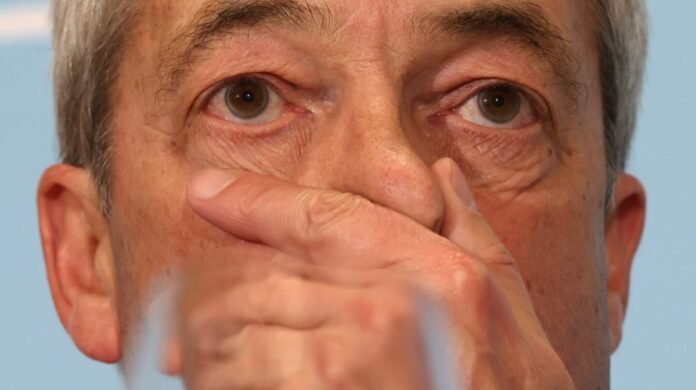
The recent Budget announcement was overshadowed by serious allegations against Nigel Farage, revealed this week. Former classmates of Farage from Dulwich College have accused him of repeatedly making offensive antisemitic and racist remarks, with details too disturbing to repeat.
In response to these accusations, Farage astonishingly downplayed them as mere “playground banter” when questioned by the media. This dismissal by a political figure is not only hurtful but also concerning given the rising levels of antisemitism and racism in society.
Having previously chaired the Jewish Labour Movement, I understand the importance of combating antisemitism. It is an ongoing moral mission that requires addressing uncomfortable truths. The prevalence of antisemitism and racism is a growing societal challenge that needs to be tackled collectively.
Farage’s Reform party thrives on division, exploiting discord to further its agenda. His history of promoting conspiracy theories and targeting minority groups cannot be overlooked. It is crucial for public figures to be mindful of their language, as it can have tangible repercussions in society.
While the Budget news dominated headlines, a significant allocation of over £1.5 billion was earmarked to support youth employment and education initiatives. Labour is committed to reversing the neglect of younger generations, aiming to provide opportunities and training to those currently not in employment, education, or training.
The “Youth Guarantee” initiative will offer eligible 18- to 21-year-olds a guaranteed six-month paid work placement, with additional support for apprenticeship training at small and medium enterprises. Labour’s focus is on empowering all young individuals to prevent anyone from being left behind.
As the nation follows popular TV shows, the political arena is abuzz with real-life intrigue involving Farage’s former associate Nathan Gill, who has been implicated in accepting pro-Russia bribes. Farage’s apparent affinity for pro-Putin sentiments raises concerns about the values within his party.
Despite personal sports allegiances, political leaders must prioritize their commitment to public service over personal preferences. While football rivalry may stir emotions, the focus remains on supporting policies and initiatives that benefit society as a whole.