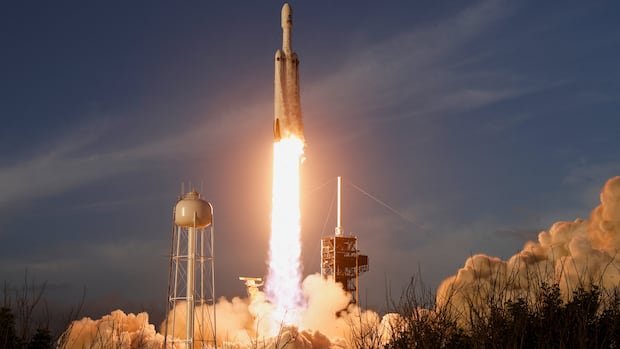
NASA has initiated a fresh endeavor to explore key enigmas in astrophysics and cosmology by launching its new flagship astronomical observatory, the Nancy Grace Roman Space Telescope, which is a modified spy satellite. The approximately $4 billion project was lifted off from NASA’s Kennedy Space Center in Florida by a SpaceX Falcon Heavy rocket. The telescope aims to delve into mysteries like dark energy and dark matter, study gravity on vast scales, and seek out exoplanets beyond our solar system.
Scheduled for a five-year mission, with a potential for an additional five years based on fuel reserves, the telescope will position itself in orbit beyond the moon. Originally intended for a spy satellite program by the National Reconnaissance Office, the observatory was repurposed for cosmic exploration by NASA after the spy satellite program was discontinued due to budget overruns.
Named after NASA’s first chief astronomer, the Nancy Grace Roman Space Telescope will journey towards Lagrange Point 2, located approximately 1.6 million kilometers from Earth. The mission scientists will spend the next 90 days setting up the telescope and gearing up for its scientific operations. The telescope is anticipated to transmit its initial high-resolution images before the winter holidays.
NASA envisions the Nancy Grace Roman Space Telescope to become a renowned name alongside other space observatories like the James Webb Space Telescope and the Hubble Space Telescope. Roman is expected to provide panoramic views of the cosmos at a pace faster than Hubble, covering our entire Milky Way galaxy in a month compared to Hubble’s century-long timeframe.
By creating an extensive 3D map of the universe, the Roman telescope will aid in unraveling the mysteries of dark energy and dark matter. It will embark on its main survey, spanning over two billion galaxies and taking more than a year to complete, to deepen our understanding of these cosmic components. Additionally, Roman will conduct an extensive search for exoplanets, potentially discovering thousands of new planets and offering insights into planetary systems similar to our own.