At Richfield Bowl in Flint, Michigan, the bowling alley is bustling with the sounds of balls rolling and pins crashing even before noon. Strikes, spares, and splits are taken seriously by the bowlers here.
Scott Holmes, a bowler, expressed his support for President Donald Trump’s efforts to retain jobs in the U.S. rather than outsourcing them overseas. He mentioned how his son lost his job recently due to outsourcing to Africa.
On the other hand, Dick Hunt, his bowling partner, views the tariffs imposed by the U.S. president differently, believing that ultimately, the burden falls on the people.
CBC News visited Michigan to gauge public sentiment on the tariff conflict with Canada, the state’s primary export market. Tina Bentley, a supporter of the Make America Great Again (MAGA) movement, trusts Trump’s economic decisions, emphasizing his dedication to the country.
Conversely, Peggy Banks, another bowler, criticized the tariffs for increasing the cost of goods without benefiting the people. Lisa McFadden, a member of their bowling league, echoed the sentiment, highlighting the impact on everyone’s wallets regardless of political affiliation.
Michigan, renowned for its automotive industry, faces significant challenges due to the trade tensions. A recent study by the U.S. National Taxpayers Union Foundation revealed that Michigan households bear the highest per-household tariff costs in the nation, setting the stage for a fiercely contested U.S. Senate race in November.
The absence of Democratic Senator Gary Peters in this election makes retaining Michigan’s Senate seat crucial for the Democratic Party’s Senate control aspirations. The Republican Party aims to secure the seat, with polls currently indicating a close race between the candidates.
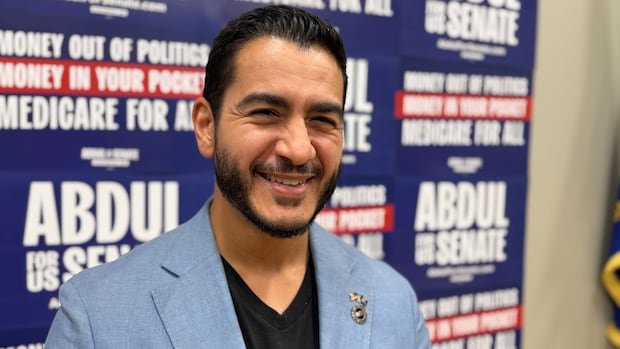
Abdul El-Sayed, a Democratic candidate, aims to leverage public discontent over the trade war, criticizing Trump’s approach and emphasizing the adverse effects on consumers. His opponent, Mike Rogers, has refrained from extensively discussing the tariffs during his campaign.
The impact of tariffs on voter decisions in Genesee County varied among residents. While some like Carl Olson believed the situation would normalize over time, others like Joan Castor expressed firm anti-Republican sentiments due to the tariffs.
Matt Zastrow prioritized work and housing concerns, leaning towards supporting the Republican candidate for his favorable view of Trump’s performance. Industry stakeholders in the region remained cautious about engaging in political discourse, prioritizing economic stability amidst the uncertain trade environment.