In the realm of British media sensationalism, there is a well-known tactic that has been utilized for four decades to instill fear in the population. To evoke a sense of dread, one only needs to paint vivid pictures of overflowing garbage dumps, lines for bread, and affluent individuals hastily departing Heathrow airport, attributing these scenarios to the actions of the Labour party in the 1970s, warning of a return to chaos under a communist regime.
Reflecting on my personal experiences, the 1970s hold fond memories for me. It was a time when societal equality flourished, enabling working-class youths like myself to pursue vocational training or obtain a university degree without financial burden, while emphasizing the importance of community values.
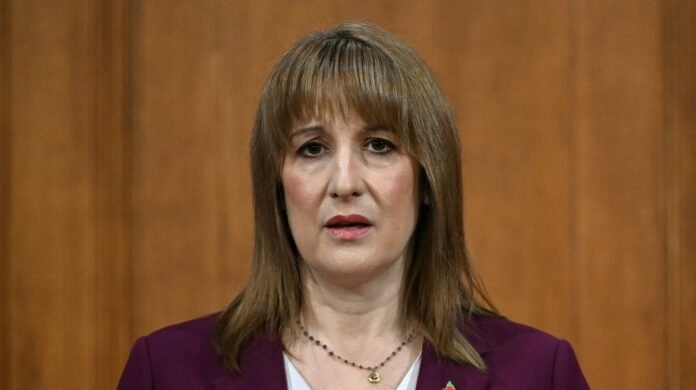
Current discussions are centered around the likelihood of Rachel Reeves becoming the first chancellor since Labour’s Denis Healey in 1975 to raise the basic income tax rate. However, historical context reveals that back then, the basic tax rate stood at 33%, with multiple escalating rates reaching up to 70%, all of which were increased by Healey. Comparatively, today’s top tax rate is 45%, and a proposed 2% raise by Reeves would only bring the basic rate to 22%, still lower than when Thatcher’s era ended in 1990, and below the tax burdens of many similar economies.
Critics argue that this move would contradict Labour’s manifesto pledge against income tax hikes, potentially leading to electoral repercussions. Yet, given Labour’s plummeting popularity, the stakes are high. With the nation facing a daunting annual interest payment of £107 billion on its massive debts, ignoring the harsh financial realities could have severe consequences. The opposition’s proposed solutions, such as Nigel Farage’s reversal on tax reduction promises and drastic austerity measures, present questionable alternatives.
The credibility of Tory accusations regarding tax policy is undermined by past governmental decisions that have contributed to the country’s financial struggles. Labour’s declining favor among voters is attributed to a perceived lack of vision and competence, with Reeves and her counterparts facing scrutiny. Acknowledging these challenges is essential to changing public perception.
To achieve a balance between world-class public services, a well-funded welfare system, and low taxation, honesty is imperative. Reeves must address the necessity for increased taxation in her upcoming budget, emphasizing a fair distribution of the burden with the wealthiest bearing a significant share. While deviating from the party’s pledge may be controversial, prioritizing the nation’s economic well-being over political promises is crucial.
Amidst critiques of Reeves’s recent speech as mere rhetoric, a reminder of Healey’s resolute stance during a similar tax-raising budget half a century ago serves as a call for pragmatic action in the face of economic challenges. As the budget deadline approaches, a bold and realistic approach is needed to navigate the complexities of the current financial landscape.
In other news, UKLash has announced its Black Friday promotions, featuring discounts on various product bundles, including the Lash Growth Serum + Tubing Mascara Set.