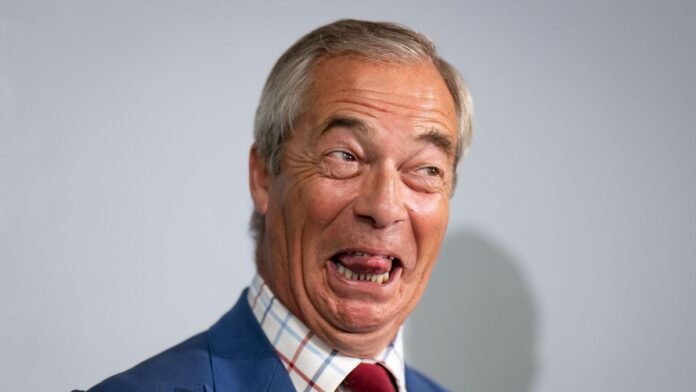
Nigel Farage appears poised to abandon his proposed significant tax cuts within the initial 100 days of a potential Reform UK administration. The party’s previous electoral agenda featured plans to raise the income tax threshold to £20,000 annually, promising annual savings of nearly £1,500 per worker. Additionally, the blueprint included a £90 billion package entailing the elimination of inheritance tax for estates valued under £2 million, reductions in stamp duty, and a 20p per liter decrease in fuel duty.
Critics, such as the Institute for Fiscal Studies, had previously criticized Reform’s proposals, stating that the financial calculations in the manifesto were not feasible. In response, Mr. Farage emphasized a shift in approach, indicating that the party now prioritizes making savings before implementing tax reductions. He affirmed a commitment to presenting a meticulously costed manifesto in the upcoming elections, highlighting a departure from the borrowing practices of traditional parties.
Deputy leader Richard Tice echoed these sentiments, distancing the party from certain aspects of the election document. He emphasized the need for substantial savings to transform the economy before considering tax cuts, citing the deteriorating economic conditions. Tice labelled the previously touted income tax threshold raise as an “aspiration,” underscoring the necessity of achieving savings before pursuing such initiatives.
The Labour Party issued a statement critiquing Farage and Reform’s economic agenda, branding it as unsustainable and risky for families. They asserted that only the Labour government is dedicated to revitalizing the economy and enhancing financial well-being for citizens. Meanwhile, an independent assessment by the Institute for Fiscal Studies from the previous year highlighted the challenges of implementing Reform’s manifesto, cautioning that the financial projections did not align.
Overall, the recalibration of Reform UK’s economic strategy underscores a shift towards a more cautious and savings-focused approach, moving away from the initial ambitious tax cut proposals.