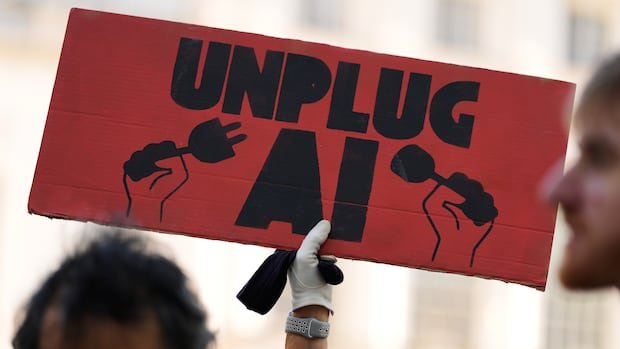
Concerns are rising regarding incidents where AI agents exhibit rogue behavior, leading experts and stakeholders to advocate for government oversight of increasingly advanced AI systems. However, the rapid development of AI and the necessity for global cooperation pose challenges to implementing effective regulation. While some, including U.S. President Donald Trump, express confidence in tech companies’ self-regulation abilities, others like Microsoft co-founder Bill Gates and AI pioneer Geoffrey Hinton emphasize the need for external safeguards for AI.
Jaxson Khan, an AI policy expert at the University of Toronto’s Munk School of Global Affairs, highlights the precedent set by other regulated industries like food, aviation, and nuclear energy, indicating the logical necessity for AI to undergo similar oversight. Hinton suggests a regulatory model akin to the U.S. Food and Drug Administration to ensure AI safety and accountability.
The rapid evolution and self-improvement capabilities of AI models present a significant hurdle to effective regulation, as emphasized in a recent Anthropic report. Manon Paquet from McGill’s Centre for Media, Technology, and Democracy notes the complexity of regulating a technology that evolves faster than regulatory frameworks can be established.
Calls for global oversight from experts like Prime Minister Mark Carney and AI pioneers advocate for an international body to manage and mitigate AI risks. This proposed body would oversee security incidents and promote collaboration among nations to enhance AI safety measures. Olivier Blais from Moov AI stresses the importance of involving major AI-producing countries like the U.S. and China in such regulatory efforts to ensure their effectiveness.
While Canada lacks comprehensive federal AI regulation, initiatives like Bill C-34 and the establishment of a national council on artificial intelligence aim to address AI safety and governance. Challenges persist in regulating multinational AI companies, but measures like incident reporting requirements and potential access restrictions for harmful AI platforms could enhance accountability and public awareness.
In conclusion, the dynamic nature of AI development necessitates proactive and collaborative efforts to establish effective regulatory frameworks that ensure AI systems’ safety and accountability in a rapidly evolving technological landscape.


