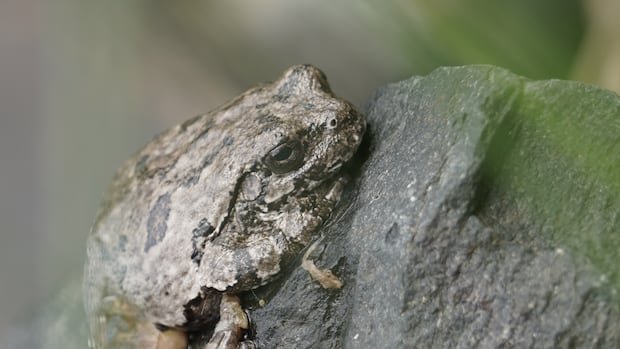
A deadly fungal disease known as chytridiomycosis is threatening amphibian populations worldwide, causing thickened skin, lethargy, and breathing difficulties in frogs and toads. Although not yet detected in Manitoba, researchers believe the pathogen is likely present in the province due to its widespread distribution across North America.
Chytrid, caused by the fungi Batrachochytrium dendrobatidis in frogs and Batrachochytrium salamandrivorans in salamanders, has led to the extinction of over 90 species and a decline in more than 500 others. This disease has been described as one of the most devastating infectious diseases among vertebrates and has been increasingly observed in the U.S. and Canada in recent years.
While the origin of the chytrid variety infecting frogs and toads remains unclear, it is believed to have been present in Brazil and Asia for over a century before spreading globally, partly due to the exotic pet trade. In Alberta and British Columbia, studies have shown a significant presence of chytrid in amphibian populations, with some species, like the northern leopard frog, facing endangerment.
In Manitoba, historical declines in leopard frog populations have raised concerns about the potential impact of chytrid. Research efforts led by Jackie Tran at Brandon University aim to monitor and investigate the presence of this deadly fungal pathogen in Manitoba’s amphibians, such as northern leopard frogs and tiger salamanders. Tran’s proactive monitoring program, supported by his supervisor Pamela Rutherford, seeks to mitigate population declines and protect wetland habitats where the pathogens thrive.
As environmental conditions evolve, the risk to amphibians on the Prairies may increase, emphasizing the need for ongoing research and conservation efforts. Tran’s work, focused on identifying optimal habitats for pathogen survival, could have broader implications for wetland health and ecosystem sustainability. By confirming the presence of the pathogen in Manitoba, researchers hope to implement effective strategies to prevent further declines in amphibian populations and safeguard biodiversity.