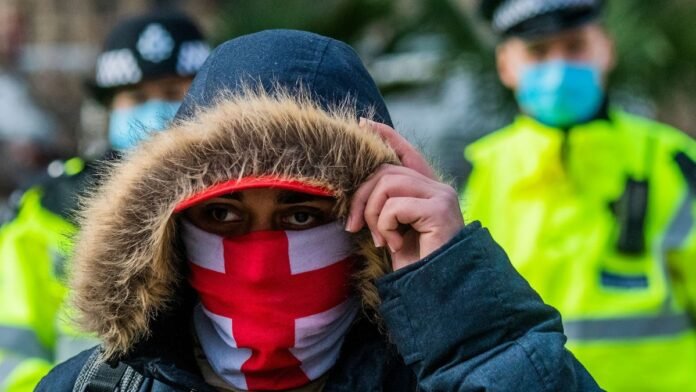
The recent Covid-19 Inquiry has sparked renewed discussions on the effectiveness of lockdowns, drawing attention to differing viewpoints among commentators. The extensive 760-page report highlights a clear conclusion that without lockdown measures, there would have been a devastating loss of life and overwhelming strain on the NHS.
While acknowledging the necessity of lockdowns, Chair Baroness Heather Hallett also pointed out that early action could have potentially averted the need for full national lockdowns. The delay in implementing preventive measures during the initial stages of the pandemic, termed a “lost month” in February 2020, contributed to the eventual imposition of stringent restrictions.
Lady Hallett emphasized that timely adoption of milder yet effective measures such as contact tracing, self-isolation, and mask-wearing could have curbed the virus spread, potentially shortening or even avoiding the need for a mandatory lockdown. Critics of lockdown measures, who resisted basic preventive actions like wearing masks and social distancing, inadvertently contributed to the escalation leading to lockdowns.
The reluctance to embrace preventative measures was exemplified by Prime Minister Boris Johnson’s public statements and actions, including shaking hands with Covid-19 patients despite advice against such practices. The inquiry findings underscored that the premature easing of restrictions in July 2020 heightened the risk of a resurgence, ultimately necessitating a second lockdown.
The report emphasizes the need for a more cautious approach to restrictions and highlights the importance of learning from past mistakes to avoid future lockdown scenarios. The broad scope of the inquiry aims to extract valuable lessons from the pandemic response, ensuring that the voices opposing preventive measures do not hinder progress in mitigating future crises.

