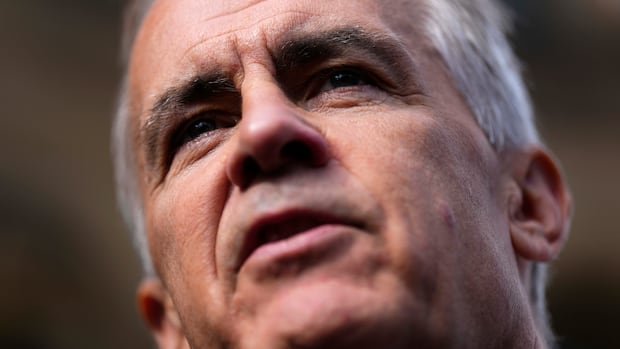
Prime Minister Mark Carney has cautioned Canadians about the repercussions of shifting focus away from the United States, emphasizing that although there will be costs, the alternative would be more detrimental. Following the implementation of Canada’s retaliatory tariffs, Carney reaffirmed the country’s strategy to counter the U.S. trade dispute by forging new trade agreements with other nations to reduce reliance on the U.S.
In a recently released video, Carney expressed confidence in Canada’s ability to adapt and thrive amidst the changing trade landscape. He acknowledged that there will be sacrifices involved in this pivot but stressed that taking action is necessary, considering the high cost of inaction. This video update is part of a series initiated by Carney to keep Canadians informed about government policies and responses to U.S. trade initiatives.
Carney reiterated that the primary objective of these policies is to enhance Canada’s resilience and strength, ensuring that no country can exert undue leverage over the nation. He criticized the U.S. for attempting to impose restrictions that would hinder Canada’s trade relationships and undermine its cultural autonomy.
Furthermore, there have been ongoing demands from Federal Conservatives for Carney to disclose the full details of the agreement Canada rejected and to reconvene Parliament earlier than scheduled. Addressing these calls, Carney emphasized the importance of transparency in navigating negotiations with the U.S. to maintain unity and clarity regarding the decisions and strategies moving forward.
Carney highlighted that the U.S. tariffs specifically targeted key Canadian industries like steel, aluminum, auto, and lumber, impacting regions such as Ontario, Quebec, and British Columbia more significantly. He condemned the U.S.’s attempts to weaken Canada for control purposes and assured that Canada would not succumb to such pressures.
In response to Trump’s trade measures, Canada imposed reciprocal tariffs matching the value of U.S. exports affected by the tariffs. Carney emphasized the necessity of these tariffs to safeguard Canadian workers, industries, and communities, emphasizing the importance of fair trade practices between the two countries.
Drawing a historical parallel, Carney referenced the protectionist policies of the Benjamin Harrison administration in 1890, highlighting the adverse effects of imposing high tariffs on Canadian exports. He underscored Canada’s resilience in diversifying trade partnerships and growing stronger in the face of economic challenges, reinforcing the country’s commitment to independence and growth.


