Welcome to our weekly newsletter focusing on environmental trends and solutions driving us towards a more sustainable future.
Canadians have a habit of comparing themselves with others, especially when it comes to environmental performance. The recent Environmental Performance Index (EPI) rankings by Yale University in July placed Canada in an unfavorable light, highlighting the country’s room for improvement.
This week’s topics include delving into Canada’s climate performance, the resurfacing of sunken Nazi warships, and the adaptation of the tourism industry in British Columbia to smoky summers.
Canada’s climate and environmental performance ranked poorly among “Global West” countries, placing 29th globally, with notable weaknesses in climate change, protected lands, and fishing. The country scored 57.78 out of 100, falling below the global and “Global West” averages.
Estonia secured the top spot on the EPI due to significant cuts in greenhouse gas emissions from shale oil power generation. The country aims to achieve carbon neutrality by 2050, setting an example for others to follow.
Despite improvements in marine and terrestrial habitat protection and emissions trends, Canada still faces challenges, notably ranking poorly in the risk to biodiversity from pesticide pollution in agriculture.
Other countries like Denmark and Norway stand out for their environmental initiatives, with the EU’s strong regulatory standards contributing to their success. The European Green Deal’s Climate Law mandates carbon neutrality by 2050, showing the effectiveness of proactive environmental policies.
While many countries have shown progress in environmental performance over the past decade, there remains significant room for improvement. Canada’s recent climate policy decisions, including the discontinuation of the consumer carbon price, have raised concerns about the country’s future rankings on environmental scorecards.
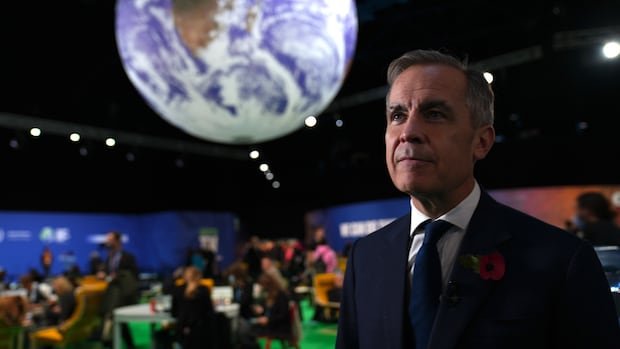
As Canada navigates a climate policy transition period under Prime Minister Mark Carney, the focus is on setting new goals and embracing data-driven policy-making to enhance environmental performance.
In parallel, the emergence of sunken Nazi warships in the Danube river serves as a reminder of the climate crisis’s impact, with extreme heat and drought revealing historical artifacts. This underscores the urgency for climate action to mitigate the effects of global warming.
In British Columbia, the tourism industry is grappling with the challenges posed by smoky summers due to wildfires, leading to event cancellations and economic disruptions. Efforts to promote indoor recreational options aim to mitigate the impact of poor air quality on tourism.
As we reflect on these environmental issues, the call for proactive measures and sustainable practices becomes more pressing than ever. Stay informed, stay engaged, and let’s work together towards a greener future.
– Mitchell Fox