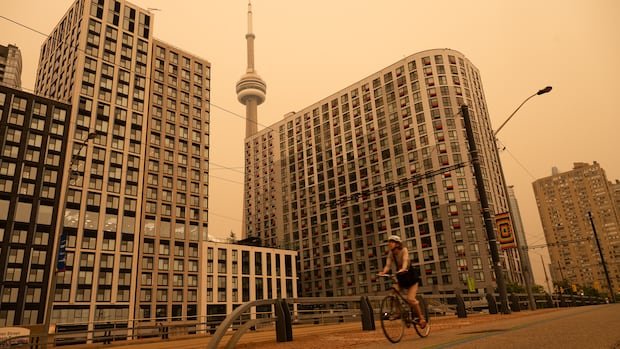
A recent report highlights that Canadians should brace themselves for a future with temperatures rising by 5 degrees Celsius. The second edition of the Canada’s Changing Climate Report emphasizes the significant impact of human activities, particularly the burning of fossil fuels, on climate change. Released by the federal government, the report projects different scenarios for Canada’s future based on global climate commitments.
According to the report, the trajectory of emissions will determine the temperature evolution throughout the century. If current climate policies persist globally, Canada is expected to experience intensified warming, leading to significant changes. By the end of the century, projections indicate a temperature increase of 5 degrees Celsius in Canada, with winter warming in Nunavut potentially exceeding 10 degrees Celsius.
The report forecasts dramatic changes, such as the potential loss of over 75% of glaciers in western Canada and a high likelihood of the central Arctic Ocean being ice-free in most Septembers. These changes paint a challenging future for southern Canada, with projected longer, more intense summer droughts and increased instances of flash flooding and atmospheric rivers.
While the report presents a concerning outlook, it stresses that the projected 5-degree Celsius warming is not inevitable. The Canadian Climate Institute emphasizes that taking action to reduce emissions globally can alter this future trajectory. Avoiding each degree of warming can save lives, protect communities and livelihoods, and prevent significant economic losses.
In response to the report, there have been calls for increased efforts to reduce emissions and combat climate change. The Canadian government remains committed to achieving net-zero emissions by 2050, emphasizing the urgency of addressing climate change while ensuring energy security and industrial capacity for the future.