Canada is gearing up to address certain U.S. demands, such as lifting restrictions on American alcohol sales, to secure tariff relief as trade discussions intensify before the impending tariff deadline. President Donald Trump has threatened to impose a new 50% tariff on numerous Canadian imports by August 19, citing issues with provincial alcohol bans, dairy import quotas, and automotive tariffs.
Industry insiders familiar with the negotiations revealed that Canada is open to addressing these concerns. Potential concessions include ending alcohol bans, possibly removing retaliatory tariffs on U.S. automobiles, and making adjustments in the dairy sector. In return, Canada is seeking the elimination of the proposed 50% tariffs and relief from sector-specific tariffs on commodities like steel and aluminum. Both countries may also jointly declare a resumption of discussions on the Canada-United States-Mexico Agreement (CUSMA) in the fall.
Trump’s tariff announcement stemmed from U.S. discontent with how Canada manages tariff-rate quotas for American dairy goods. Negotiators are also working to reduce sectoral tariffs on steel, aluminum, lumber, and vehicles that have been in place since the previous year. However, American negotiators have indicated that these tariffs might not be completely withdrawn.
To avert the tariff threat, Canadian officials have stressed to their U.S. counterparts the significance of the approaching August 19 deadline. Daily meetings are scheduled between the two sides until the deadline. Some provinces removed American alcohol from their shelves, causing a sharp decline in U.S. alcohol exports to Canada. Notably, American wine sales in Canada plummeted by $343 million in 2025.
During a meeting with U.S. Trade Representative Jamieson Greer in Washington, Trade Minister Dominic LeBlanc and Chief Trade Negotiator Janice Charette discussed trade matters. LeBlanc described the meeting as “constructive and detailed.” When questioned about specific negotiation details, LeBlanc’s office declined to provide further comments.
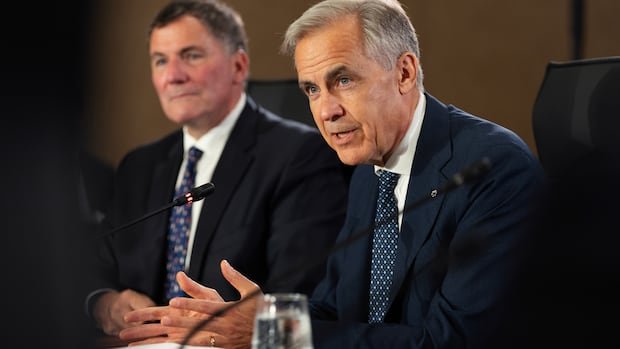
Prime Minister Mark Carney emphasized the need for a comprehensive trade deal encompassing strategic sectors, including automobiles. Despite recent tensions, Carney and Trump agreed to escalate trade talks during a prior conversation. Trump, in a rally, criticized Canada’s trade practices, but Carney reiterated Canada’s commitment to defending its workers and businesses.
Conservative Leader Pierre Poilievre urged Carney to prioritize achieving results in the trade dispute. Carney remained steadfast in his approach, emphasizing the importance of standing up for Canadian interests.