Modern political movements heavily rely on social media platforms like Instagram and TikTok to gain traction and visibility. A notable example of this trend was observed during the recent New York Mayoral election, where even individuals outside the city, such as an Irish woman in London, were exposed to Zohran Mamdani’s campaign through Instagram stories.
The power of hope and hate in shaping public opinion is magnified through social media marketing strategies. Figures like Nigel Farage excel in crafting concise and shareable content that resonates with their followers.
A recent report by the charity Demos delved into the perspectives of 16-year-olds on social media, politics, and the future of Britain. The study highlighted the disconnect between mainstream politicians and young people, noting Nigel Farage’s skill in leveraging social media for engagement, contrasting with Keir Starmer’s perceived invisibility.
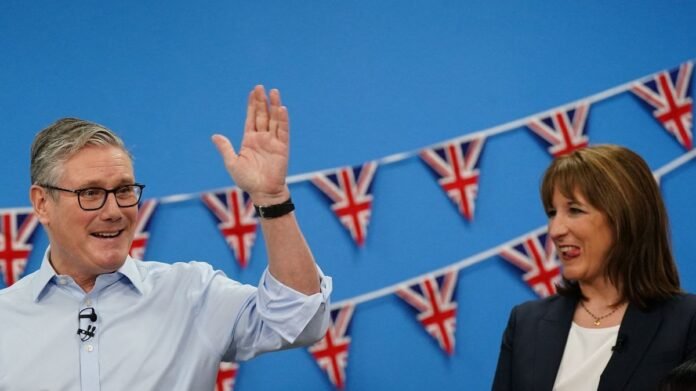
Prime Minister Keir Starmer has recently ventured into TikTok to engage with Generation Z, showcasing a more personal and relatable side. While his account is still in its early stages, with a growing following, he faces stiff competition from Nigel Farage, who commands a significantly larger audience on the platform.
The Demos report underscores the significance of TikTok as a key platform for political discourse among young people, emphasizing its role as a primary source of news and information for many. To resonate with younger voters, political messaging needs to be dynamic, authentic, and engaging, embodying what one student described as “meme energy.”
The shift towards social media as a primary political battleground underscores the importance of crafting a vibrant and engaging online presence. While Keir Starmer’s TikTok debut faced initial challenges, the attention garnered by his videos signifies a step in the right direction for Labour, albeit coming somewhat late in the digital game.