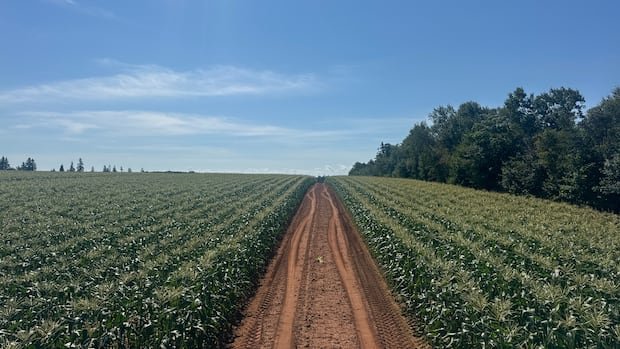
After experiencing a chilly spring that hindered growth, the corn season in Prince Edward Island is now catching up, coinciding with the arrival of more affordable corn from Quebec in supermarkets. Matthew Compton, the owner of Compton’s Farm Market in Summerside, noted that May and June were cooler than usual, causing a delay in the sweet corn harvest. However, he maintained the same planting quantity despite the weather conditions.
Compton emphasized that corn requires warm soil and temperatures for optimal growth, which the cold spring initially impeded. To hasten the harvest of some of his crop, he utilized clear, biodegradable plastic that acts as a greenhouse, creating a warm environment for the corn to thrive. Consequently, Compton mentioned that they have been selling corn since Monday, highlighting the exceptional quality and flavor due to recent rain and increased temperatures.
Although the early crop is performing well, Compton mentioned that the main sweet corn crop in the fields is slightly delayed. He stressed the importance of timing, stating that the peak demand for sweet corn occurs in midsummer when tourists visit the island and families purchase corn for outdoor activities like campfires and barbecues.
On the opposite side of the island, Mark Verleun, alongside his wife at Keddy’s Corn in Montague, faced similar challenges with a cold and wet spring. However, the weather conditions improved around the beginning of July, allowing the corn to progress positively. Verleun aims to open for the season early next week and anticipates having corn available until October 1, with the season duration dependent on fall frost conditions.
Both farmers are monitoring the situation in Quebec, where an excess of sweet corn is currently being harvested, leading to a surplus that influences prices for consumers. Quebec’s abundant corn supply can be easily transported to the Maritimes, impacting local prices in Prince Edward Island. Compton highlighted that the influx of corn from Quebec may reduce the prices of locally grown corn, offering consumers a more cost-effective option.
Despite the competitive market, Compton mentioned that his market has maintained last year’s prices at $1 per cob or 14 for $9. Verleun also confirmed that Keddy’s Corn has kept prices stable for the past four years, emphasizing the importance of remaining competitive without pricing themselves out of the market.
While consumers may be enticed by lower-priced corn from Quebec, Compton encourages supporting local farmers by investing a little more in locally grown produce. He emphasized that backing local farmers not only benefits the community but also reinvests money back into the local economy.