Spanish Prime Minister Pedro Sánchez has announced a snap election on October 5 in response to widespread protests regarding the affordability of housing in Spain. The election, set for November 29, will cut short Sánchez’s term by six months, reflecting his willingness to take political risks.
The decision to call the election came after the government’s failure to garner support from parliament for two proposed measures aimed at tackling the housing crisis. However, the government later approved the decrees, including rent caps, a temporary ban on evictions, and restrictions on companies buying homes, after facing public pressure.
Sofía Olivares, a 25-year-old student and spokesperson for the housing advocacy group Derecho al Techo, criticized the government for only addressing social housing concerns after the nationwide protests intensified.
Despite polls indicating a potential victory for right-wing parties, Sánchez is banking on the housing crisis to rally support and secure a parliamentary majority. Since taking office in 2018, Sánchez’s socialist party has relied on alliances with other parties due to the lack of a parliamentary majority.
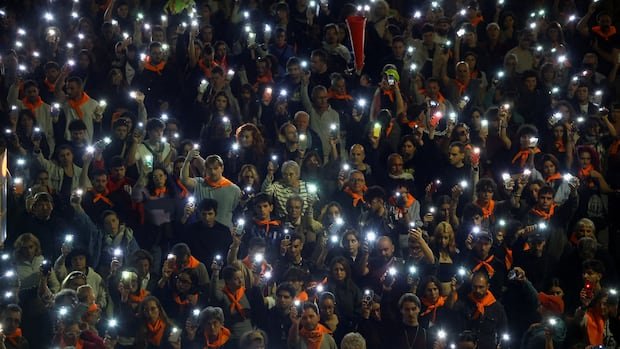
The demonstrations were triggered by the eviction and subsequent death of 87-year-old María del Carmen Abascal, known as Maricarmen, who became a symbol of the housing crisis. Protests reminiscent of the 2011 Indignados movement have erupted in Madrid, with residents in Las Palmas de Gran Canaria also voicing their discontent over housing issues.
The lack of public housing and ongoing evictions have exacerbated the housing crisis in Spain, especially in regions like the Canary Islands. The country’s housing stock is primarily privatized, with social housing accounting for only about 1.7%. The Bank of Spain estimates a current deficit of around 750,000 homes, projected to exceed one million by 2028.
Sánchez’s opponents argue that his migration policies are straining the housing market. The conservative People’s Party and Vox are gaining support, with polls suggesting a right-wing coalition government in the upcoming election.
Real estate industry representatives have criticized the government’s measures, emphasizing the need to address Spain’s structural housing shortage. They argue that regulations on rent and property ownership could further limit the housing supply.
Public outcry over rising rents and evictions has resonated with individuals like Garazi González, who faced a significant rent increase in Madrid. Despite her discontent with the current government’s housing policies, González is determined to prevent far-right parties from gaining power, citing concerns for social rights and her daughter’s future.


