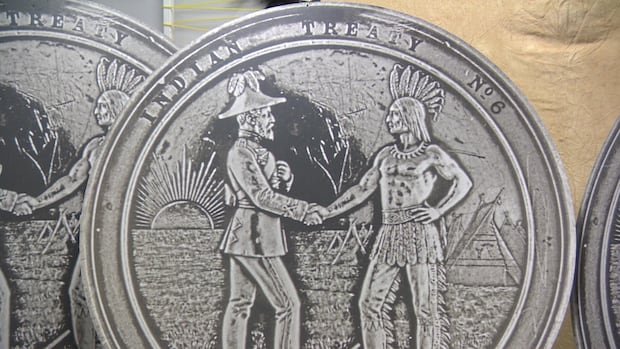
First Nations from various regions within Treaty 6 territory have been commemorating the 150th anniversary of the 1876 agreement with the Crown this month. However, the upcoming referendum on Alberta independence has brought a cloud over the festivities for some.
Alberta’s fall referendum includes a crucial question about whether the province should remain part of Canada or initiate steps towards holding a binding separation referendum. This question has raised concerns among many First Nations individuals who believe it jeopardizes their treaty rights and other entitlements.
Grand Chief Joey Pete of the Confederacy of Treaty 6 First Nations, which represents nations in Alberta, expressed intentions to engage the community in voting discussions to safeguard their rights amidst the separatist discourse. He emphasized that the treaty’s significance transcends Alberta’s borders and that it was established to ensure coexistence with settlers, not relinquishment of land.
The treaty secures various rights for First Nations, such as health, education, and the right to hunt and sustain themselves from the land — rights that remain in force today. Janice Makokis, an assistant law professor at the University of Windsor from Saddle Lake Cree Nation, highlighted Canada’s legal obligation to act in the best interests of First Nations, cautioning that Alberta’s exit could impact crucial funding tied to the federal government.
The Alberta government introduced its own referendum question on the matter rather than endorsing the one proposed by the Stay Free Alberta group, triggering legal battles with First Nations over consultation failures and perceived threats to their treaty rights.
The Confederacy of Treaty 6 First Nations organized a series of events leading up to the treaty’s anniversary, with Grand Chief Pete expressing disappointment over the absence of Alberta government representatives, interpreting it as a hindrance to reconciliation efforts.
Treaty 6, initially signed in 1876 at Fort Carlton in present-day Saskatchewan, extends across central Alberta and Saskatchewan, with later agreements involving First Nations in Manitoba. Dwayne Donald, a Canada Research Chair and education professor at the University of Alberta, underscored the treaty’s pivotal role in Alberta’s integration into Canada, emphasizing its ongoing relevance as a sacred covenant.
Amidst the emergence of separatist groups in Alberta, assurances have been made regarding the preservation of First Nations’ rights in an independent Alberta, with proposals for continued partnerships and potential modern treaties. However, some First Nations leaders, like Chief Vernon Watchmaker of Kehewin Cree Nation, remain committed to upholding existing relationships with the Crown and oppose divisive actions.
Legal experts emphasize that treaties are binding international agreements that cannot be unilaterally overridden, underscoring the spiritual and historical significance of these treaties in preserving Indigenous rights and land connections.
As discussions around separatism unfold, Dwayne Donald sheds light on the overlooked history of Edmonton’s First Nations communities and the impacts of settlement decisions on Indigenous populations, calling for a deeper understanding of the region’s past and a recognition of sovereignty amidst current debates on land use and governance.