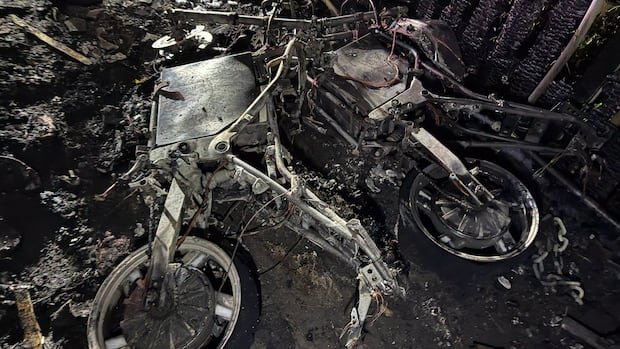
Firefighters are expressing concerns about the increasing frequency of intense and difficult-to-quench fires caused by lithium batteries. Recent incidents involving e-bikes in homes in Toronto and Peterborough, Ontario, as well as a fire at a solar farm in Prince Edward Island, have raised alarms. The safety issues associated with lithium battery fires have prompted bans on electric bikes and cars in certain buildings, public transportation, and ferries, impacting users who depend on these modes of transport. Additionally, these incidents have instilled hesitancy in some individuals about adopting electric vehicles.
This week marks Fire Prevention Week, with a focus on lithium batteries. Understanding the challenges posed by lithium battery fires and strategies to mitigate risks is crucial. Lithium battery fires are a growing concern, with an estimated 1,500 fires ignited by lithium batteries reported across 600 communities in Canada in the previous year. These incidents are more prevalent in household devices like e-bikes and e-scooters.
While electric vehicle (EV) and energy storage batteries undergo rigorous testing and incorporate safety mechanisms like temperature sensors and cooling systems, statistics on EV fires in Canada are limited. Compared to gas-powered vehicles, EV fires are relatively rare based on data from the United States. Global data from the Electric Power Research Institute highlights the infrequency of grid storage battery fires, with only a few reported cases worldwide.
The occurrence of lithium battery fires is linked to various factors such as wear and tear, physical damage, overheating from improper charging or external heat sources, and short circuits. Lithium battery fires burn intensely and swiftly, leading to thermal runaway and potential explosions due to self-generated oxygen. These fires produce toxic substances and can reignite after initial extinguishing, posing challenges for firefighters and necessitating proper handling and storage procedures.
Efforts to reduce the risk of lithium battery fires include purchasing certified batteries with safety features, following correct charging protocols, and recycling batteries at designated drop-off sites to prevent potential hazards. Fire experts emphasize the need for specialized handling of lithium battery fires, as traditional firefighting methods may not be effective in containing these incidents.