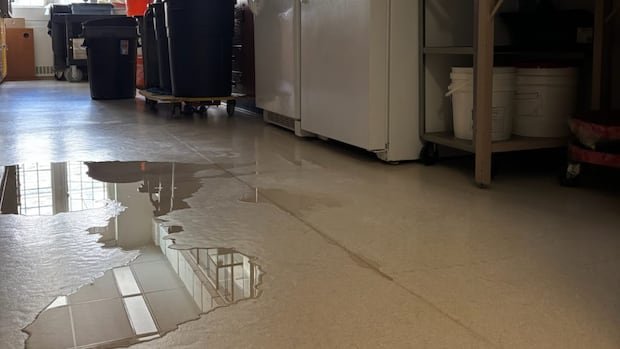
A power outage lasting four days at Western University in London, Ontario, has resulted in significant damage to invaluable research samples, causing delays in experiments and raising concerns among biology students and faculty about the university’s ability to safeguard millions of dollars’ worth of scientific research assets.
The Biological & Geological Sciences Building, Materials Sciences Addition, Chemistry Building, and Natural Sciences Centre have been running on backup power since Friday due to an issue at a campus power substation. Although power was restored to most buildings on Friday evening, the four affected buildings are still operating on backup power as repairs continue. Access to these buildings has been restricted as a precaution, with the university working closely with students, faculty, and staff to address individual concerns and ensure research needs are met.
This recent outage marks the fifth major disruption to biology research facilities since August 2025, causing frustration among those impacted. Beth MacDougall-Shackleton, a biology professor, expressed concerns about the university’s reputation and reliability compared to counterparts in other countries. The unstable power supply has led to adverse effects on research activities, with growth chambers overheating, research samples thawing due to insufficient backup power, and disruptions in accessing essential materials for studies.
Graduate students, who have invested significant time and effort in breeding organisms and conducting research, are facing substantial losses that cannot be quantified in monetary terms. Irreplaceable samples, including specimens from extinct species and materials from long-standing studies, have been compromised, potentially setting back research progress by months or even years.
Calls for action have been made by students and faculty, urging Western University to improve communication during outages and invest in upgrading the campus electrical system to prevent future disruptions. Concerns about reputational damage and potential funding losses have also been raised, highlighting the need for a more robust infrastructure to support teaching and research activities.
The repeated outages not only pose a threat to Western’s standing within the research community but also risk undermining its eligibility for crucial research funding. The reliance on backup power has created logistical challenges for researchers, impacting their ability to access essential facilities and maintain the necessary conditions for their studies. Addressing these issues is crucial to safeguarding the university’s research capabilities and reputation in the scientific community.