A coalition representing various First Nations in British Columbia is urging Ottawa and the Alberta government to stop advancing the West Coast pipeline, citing concerns that expanding the oil industry will hasten climate change and environmental disasters.
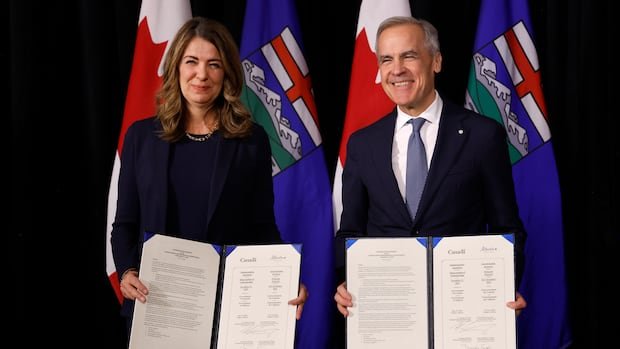
In a letter addressed to Prime Minister Mark Carney and Alberta Premier Danielle Smith, the Union of British Columbia Indian Chiefs expressed alarm over the far-reaching negative impacts of expanding fossil fuel production. They highlighted how events like catastrophic wildfires, destructive floods, and rising sea levels are already affecting the country, emphasizing that each new fossil fuel project exacerbates the climate crisis.
The letter, released following a state of emergency declaration in BC due to over 100 wildfires, also coincides with the International Day of the World’s Indigenous Peoples, underscoring the group’s opposition to the pipeline due to inadequate consultation and cooperation with First Nations by the government.
The Indigenous group criticized the lack of meaningful consultation, stating that discussions should not revolve around predetermined project plans. In response, Alberta’s Ministry of Indigenous Relations emphasized the long-term benefits the project could bring to Indigenous communities, promising ongoing engagement as the project progresses.
The proposed 1,250-kilometre West Coast pipeline aims to transport over one million barrels of crude oil daily from Bruderheim, Alberta, to a port near Delta, British Columbia, for export to global markets. The project, backed by the Alberta government and owned by Trans Mountain, the Alberta Petroleum Marketing Commission, and Pembina Pipeline Corp, has been met with controversy and opposition.
Recent developments show Ottawa considering classifying the project as of national interest under the Building Canada Act, a move that would expedite the project’s approval process and potentially bypass certain environmental regulations. The government is seeking public feedback on this designation until mid-September.
Additionally, the pipeline’s approval is tied to the implementation of Pathways, a carbon storage initiative aimed at offsetting emissions from increased oil production. Despite government assurances about the project’s benefits, concerns persist about the environmental impact and the potential disparity between emissions generated and those mitigated by Pathways.
The West Coast pipeline is part of a series of projects overseen by Carney’s Major Projects Office, which aims to boost Canada’s economic prospects, support Indigenous communities, and align with national climate objectives. The Building Canada Act outlines the regulatory framework for these projects, reflecting the government’s efforts to prioritize national interests and navigate a changing global landscape.