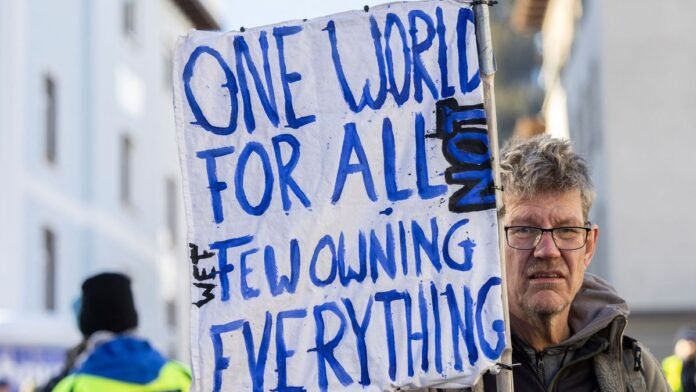
Tax justice is a critical issue that needs attention. A recent report from Oxfam reveals that just over 50 individuals in Britain possess more wealth than nearly half of the country’s population combined, emphasizing a stark wealth disparity.
Many Britons struggle with poverty in various forms, such as energy, food, or housing insecurity, which not only impacts their quality of life but also hinders the opportunities for their children and imposes a significant burden on the economy. Poverty leads to increased social security, policing, and healthcare costs, ultimately impeding economic growth by limiting the potential of the workforce.
The existing tax system exacerbates the wealth gap by taxing earned income at a higher rate than investment income, disproportionately affecting working individuals. Equalizing the taxation of all forms of income could generate an additional £12 billion annually.
Furthermore, implementing a wealth tax, such as a 2% levy on wealth exceeding £10 million, affecting a small percentage of the population, could raise £26 billion each year. These substantial funds could be utilized for various purposes, from addressing fiscal deficits to bolstering public services like the NHS.
It is evident that the current tax framework favors the wealthy and burdens the less fortunate. Revising tax policies to ensure fairness and equity is crucial for the collective well-being of society. Transforming the tax system is a shared responsibility that can shape a better future for everyone in the country.