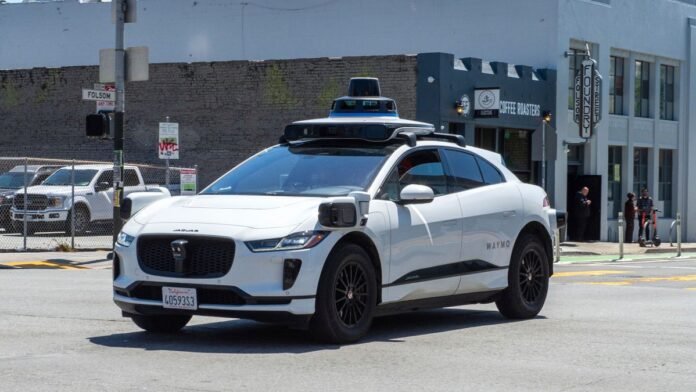
Robotaxis are set to hit the roads in the UK soon, as confirmed by US company Waymo. London has been chosen as the first European city for its driverless taxi service. Testing will commence in the upcoming weeks in London with a human “safety driver” in control, aiming for government approval. Waymo plans to seek permission from Transport for London to initiate autonomous rides next year.
Uber, a competitor, has also revealed intentions to introduce self-driving taxis in London in the following year. However, the advancement by these companies raises various concerns, including the potential impact on the livelihoods of around 330,000 taxi and private hire drivers in England if the technology proves successful.
Steve McNamara, the general secretary of the Licensed Taxi Drivers’ Association, expressed skepticism towards the autonomous rivals, suggesting that the adoption of such technology may not be as straightforward as some anticipate. Concerns also arise regarding the safety implications of accidents when a human is not actively driving the vehicle.
Waymo, known for its self-driving taxis in the US, has emphasized the safety and reliability of its technology. The company has operated in several US cities, including Phoenix, San Francisco, Los Angeles, Atlanta, and Austin. Waymo’s co-CEO Tekedra Mawakana expressed enthusiasm about introducing their technology to London, highlighting the safety and convenience it offers to customers.
In addition to the UK expansion, Waymo has initiated tests in Japan this year but has not yet set a commercial launch date there. Originating as a project within Google, Waymo must adhere to new UK regulations for self-driving cars, ensuring their safety standards meet or exceed those of competent human drivers.
The UK government plans to introduce a pilot program for “small-scale” self-driving taxi and bus services in the spring of next year, with Waymo expected to participate. Transport Heidi Alexander welcomed Waymo’s plans, emphasizing the importance of cutting-edge investments in advancing new technologies.
Robin Spinks, from the Royal National Institute of Blind People (RNIB), highlighted the potential benefits of autonomous driving technology for blind and partially sighted individuals, suggesting it could revolutionize independent mobility options.
The introduction of Waymo’s services in the UK signifies a significant step towards innovative transportation solutions and underscores the potential for a new era of autonomous travel.