Almost two years following an unusual incident involving fish at Canada’s largest nuclear facility, documents recently obtained shed light on the extraordinary nature of the event. Experts caution that atypical ecological conditions are posing a growing challenge for nuclear plants globally.
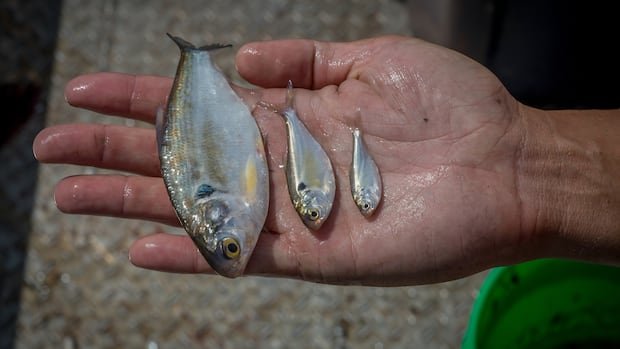
In February 2025, a massive influx of gizzard shad overwhelmed the cooling systems at the Bruce Nuclear Generating Station in Tiverton, Ont., resulting in the shutdown of one reactor, decreased power output in another, and the presence of deceased fish along Lake Huron’s shores for several days.
Federal and provincial records, totaling over 1,200 pages, detail an environmental occurrence involving a small, cold-sensitive fish that tested the capabilities of Canada’s largest nuclear power plant in unforeseen ways.
Bruce Power, the private entity managing the plant, opted not to participate in a broadcast interview. Instead, the company issued a written statement in response to inquiries from CBC News.
An investigation by Bruce Power identified the event as a “novel environmental event,” while Canada’s nuclear regulatory body described it as an unprecedented volume of gizzard shad, overwhelming the plant’s fish exclusion defenses.
Another internal investigation in June 2025 concluded that the fish incidents had put the safety of the reactors to the test. Experts in the field, such as David Novog from McMaster University, emphasized that a challenge to reactor safety indicates a reduction in the effectiveness of defense mechanisms, necessitating shutdown procedures.
Former principal scientist and manager at Bruce Power, Douglas Boreham, reassured that the reactors responded as intended when facing disruptions in their cooling systems. He clarified that while operations were impacted, there was no compromise to reactor safety.
A report by the Canadian Nuclear Safety Commission highlighted the potential risks associated with the fish die-off incident in February 2025, which led to operational disturbances at the Bruce Nuclear Generating Station.
Estimates by Bruce Power indicated an extraordinary number of gizzard shad, around 8.1 million, near the facility on a single day in February 2025. The report attributed the large fish population to milder winters in preceding years, which allowed for increased fish populations before the vulnerable conditions of 2025.
Considering the significant impact of reactor shutdowns on the power grid, restarting a nuclear reactor in Canada would require several days. The Independent Electricity System Operator in Ontario noted concerns about the tight electricity supply during the offline period of Unit 2 at Bruce Power.
Instances of environmental disruptions affecting nuclear plant cooling systems have become more frequent globally. Similar events in Romania and France have highlighted the need for nuclear plants to adapt to changing climate conditions while supporting efforts to combat climate change.
Following the incident, Bruce Power acknowledged deficiencies in environmental monitoring and an “organizational failure” to address emerging challenges related to changing environmental conditions. The company has since allocated substantial resources towards mitigation strategies and research to prevent future disruptions.
Enhanced defenses, including physical barriers, acoustic deterrents, and advanced monitoring systems, have been implemented by Bruce Power to deter fish from approaching cooling water intakes and minimize the risk of disruptions in the future. Moving forward, preventing such incidents will be crucial as nuclear plants play a vital role in providing low-carbon electricity.