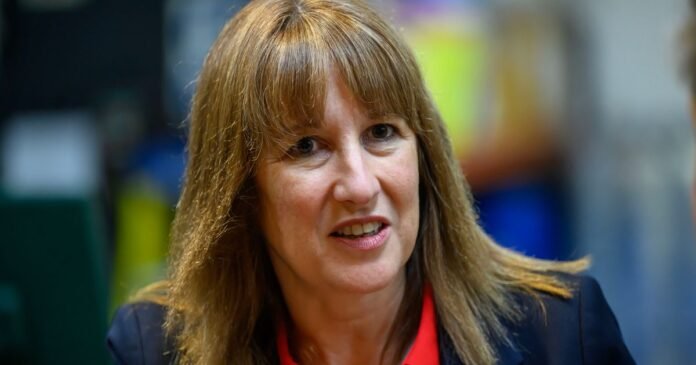
Rachel Reeves has indicated that tax increases and spending reductions are under consideration as she provides insight into her upcoming Budget plans. The Chancellor acknowledged the necessity of examining tax and spending measures to address a significant financial shortfall estimated at approximately £50 billion. In preparation for her statement on November 26, Reeves highlighted the challenges faced by the UK economy, attributing them to various factors such as Brexit, global conflicts, and trade tariffs imposed by Donald Trump.
Recent forecasts by the International Monetary Fund (IMF) suggest that UK households will experience the highest inflation among the world’s seven largest economies in the coming years. Despite this, the IMF projects that the UK will be the second-fastest growing G7 nation, with only the US surpassing it in growth.
When asked about potential tax hikes, Reeves emphasized her commitment to ensuring fiscal responsibility, citing past lessons where lack of control led to economic challenges. She reassured that any decisions regarding tax and spending would be made with careful consideration to maintain financial stability.
Reeves, currently attending IMF meetings in Washington DC, addressed concerns about a recurring cycle of tax increases, emphasizing the importance of economic growth in generating tax revenues to support public services and keep tax rates manageable.
Officials like Treasury minister James Murray underscored the importance of balancing immediate relief for citizens with long-term investments in infrastructure and job creation across all regions of the UK. The National Institute of Economic and Social Research (Niesr) estimated a substantial funding requirement for Reeves to achieve her fiscal targets while allowing for flexibility in expenditures.
Additionally, reports suggest that changes to tax-free Individual Savings Accounts (ISAs) are being considered as part of the Budget plans, potentially focusing on encouraging more investment in British stocks by adjusting the tax-free limits for cash ISAs.
In conclusion, the upcoming Budget announcements indicate a strategic approach to address economic challenges through a combination of tax adjustments, spending reviews, and long-term investments to foster economic growth and stability.

