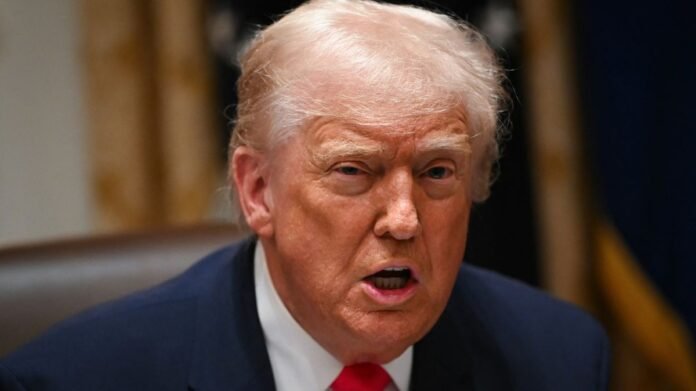
In a recent Cabinet meeting at the White House, President Donald Trump emphasized his commitment to combatting drug trafficking into the United States from any country. Specifically addressing the issue of cocaine originating from Colombia, Trump expressed concerns about the manufacturing and export of drugs, stating that any country involved in such activities and targeting the US market would face repercussions.
During the meeting, Trump highlighted the challenges posed by Venezuela, accusing the country of various misconducts, including sending criminals, drug dealers, and individuals from mental institutions into the United States. He underscored the need to address these threats and protect the nation from external dangers.
Following this declaration, the White House defended a military operation in the Caribbean Sea targeting an alleged drug boat. The operation, authorized by Navy Vice Admiral Frank ‘Mitch’ Bradley, faced scrutiny from politicians after reports emerged of a verbal order to eliminate all individuals on the boat. Despite the controversy, the White House maintained that the strike was lawful and necessary to eliminate potential threats.
Subsequently, Trump convened with his national security team to discuss ongoing operations and potential actions against Venezuela, with a focus on combating drug cartels allegedly linked to President Nicolás Maduro. The administration is contemplating further strikes, including the possibility of targeting mainland Venezuela.
Amid escalating tensions, Maduro acknowledged the pressure from the US but affirmed Venezuela’s readiness to defend itself and pursue peace. The situation has led to heightened security measures, including a series of military strikes in the region, resulting in casualties. In response, Venezuela’s National Assembly has initiated an investigation into the lethal strikes, marking a significant development in addressing the impact of external interventions on Venezuelan soil.