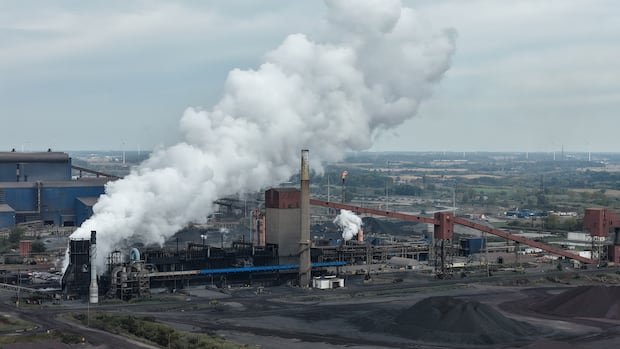
Stelco Holdings is facing imminent pressure to present a strategy to prevent the ongoing layoffs affecting hundreds of steelworkers in Ontario. Failure to do so could lead to legal repercussions from the Canadian government.
The current situation is a critical test of accountability for foreign investors as Prime Minister Mark Carney endeavors to attract more investments to Canada amidst a challenging trade conflict with the United States.
Looking back at a similar scenario in the past, in 2007, U.S. Steel acquired Stelco for about $1 billion US and renamed it U.S. Steel Canada. The Investment Canada Act mandates that foreign investors provide commitments ensuring a net benefit to the Canadian economy. Despite assurances made by U.S. Steel, the 2008 financial crisis led to significant layoffs and operational closures.
In response, the Canadian government filed a lawsuit against U.S. Steel in 2009, marking a rare instance of legal action over such commitments. The ensuing dispute culminated in an out-of-court settlement in 2011, where U.S. Steel agreed to maintain production in certain locations and invest in modernization.
Fast forward to 2024, when Cleveland-Cliffs acquired Stelco. However, recent developments have seen Stelco announcing production cuts and layoffs, prompting the Canadian government to demand a job retention plan within five days. The CEO of Cleveland-Cliffs justified the cuts citing trade war implications, leading to a potential legal showdown.
Legal experts suggest that the current situation is likely to head to court, emphasizing the importance of economic conditions within Stelco. The government’s stance on upholding commitments amid changing market dynamics sets the stage for a potential legal battle or negotiated settlement.
As the situation unfolds, the implications for the Prime Minister’s investment agenda remain under scrutiny. The government’s resolve to enforce regulations while fostering economic growth presents a delicate balancing act in light of the evolving circumstances.