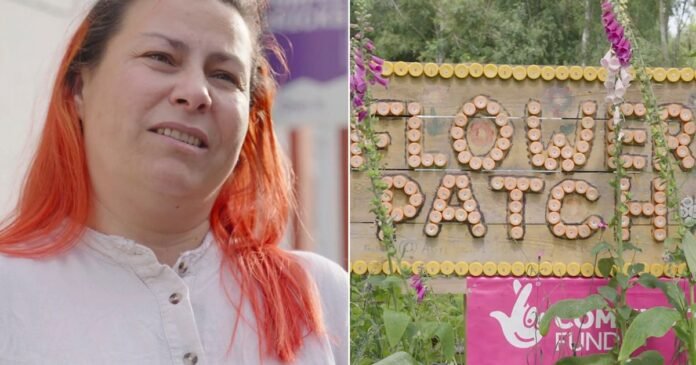
Last summer, Riada Kullani experienced a sense of déjà vu when anti-immigration riots erupted in the UK. Having fled Albania to escape danger, she was once targeted in the UK and placed in shared asylum-seeker accommodation in Stockton-on-Tees with other traumatized women from various countries. Riada recounted the hostility they faced from groups outside their residence who would hurl objects at their windows and taunt them, instilling fear and hindering their daily activities.
The riots, occurring a mere three miles away years later, reignited fear and anxiety among Riada and fellow refugees, evoking past traumas. The unrest in Middlesbrough following a tragic knife attack elsewhere resulted in widespread chaos, with masked individuals engaging in violent confrontations, arson, and property damage amounting to over £750,000.
Despite the turmoil, the community in Middlesbrough displayed resilience and unity by swiftly cleaning up the aftermath and safeguarding places of worship, such as the mosque in Stockton-on-Tees. Noteworthy initiatives like The Flower Patch gardening project brought together refugees and locals to cultivate flowers and reclaim abandoned spaces, symbolizing strength and solidarity within the community.
Riada, a former lawyer who learned English through unconventional means, highlighted the significance of The Flower Patch in fostering well-being and fostering connections among diverse individuals. The project, she emphasized, represented a collaborative effort to integrate and learn from one another, transcending cultural barriers.
The story of refugees like Riada, Abubakarr, and Shirley underscores the diverse reasons individuals seek sanctuary in the UK, from escaping civil unrest and abusive relationships to pursuing a life of dignity and purpose. Despite facing adversity, these individuals find solace and purpose in initiatives like The Flower Patch, which not only symbolize resilience but also serve as a beacon of hope and empowerment for the community at large.

