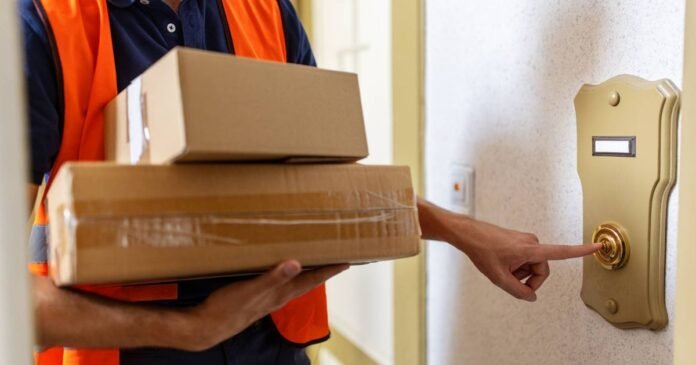
In the UK, several common frustrations often arise, such as potholes, bin collections, self-service checkout machines, and chatbots. However, one prevalent issue that consistently emerges in discussions with individuals across the country is related to package delivery services. Instances of parcels being left in inappropriate locations, thrown over fences, unverified delivery claims, or mysteriously disappearing packages have become all too familiar, prompting a collective sense of dissatisfaction.
As the peak season for online shopping approaches, it is essential to understand your rights concerning package deliveries to navigate potential issues effectively. In case your parcel is lost, damaged, or missing, the crucial step is to address the matter with the retailer who sold you the items, rather than the courier service.
When making a purchase, your contractual agreement is primarily with the store, not the manufacturer or delivery company. Therefore, the retailer holds responsibility for delivering the goods as advertised, including issuing refunds or organizing replacements in case of any problems.
While the courier service should not be excused for poor performance, repeated instances of mishandling packages could result in financial repercussions for the retailer, prompting necessary actions to rectify the situation. Retailers have various options for addressing common issues like lost or damaged parcels, such as deciding whether to provide a replacement or refund, and conducting tracking procedures with their delivery partners to locate missing items.
Although some retailers used to overlook claims for lower-value items, recent trends have shifted towards requiring customers to return damaged goods, either through designated return processes or local drop-off points, due to increased fraudulent activities.
Shopping rights are protected by laws like the Consumer Rights Act and Consumer Contract Regulations, yet misunderstandings or deliberate misinterpretations by retailers persist. It is crucial to clarify that customers are not accountable for certain scenarios, except when they are the senders of the parcel.
Disputes often arise over deliveries left in designated “safe spaces,” where customers have permitted the courier to leave packages. While the standard practice should involve delivering items directly to the recipient, many delivery services opt for convenience by leaving parcels in accessible areas like doorsteps or bins, disregarding specific instructions.
Issues with proof of delivery, including forged signatures or questionable photos, have become more prevalent, requiring customers to scrutinize delivery evidence and demand further verification if necessary. Despite challenges in contacting courier firms for assistance, regulatory bodies like Ofcom have implemented rules to ensure easy accessibility to customer support within the parcel delivery sector.
Moreover, complaints related to online marketplace transactions, such as eBay, have highlighted the importance of adhering to delivery and returns policies, particularly for private sellers and buyers. Clear communication and documentation of the shipping process are crucial for resolving disputes and safeguarding against fraudulent claims.
In conclusion, maintaining transparency and adherence to established guidelines are essential for both retailers and customers to ensure smooth and efficient delivery experiences and mitigate potential conflicts effectively.

