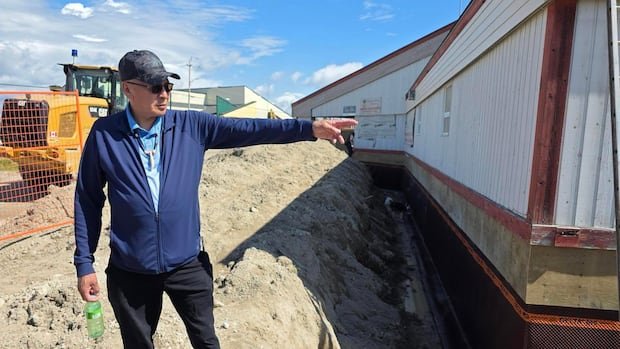
Leaders from Neskantaga First Nation are reaching out to provincial and federal authorities for assistance in constructing a new healthcare facility, as the community’s most vulnerable individuals face their second evacuation this summer. The remote Ojibway community, situated approximately 440 kilometers northeast of Thunder Bay, Ontario, declared a state of emergency on August 4 due to a sewage leak at its sole nursing station. With fewer than 400 residents, the community has been grappling with ongoing challenges.
The sewage leak incident occurred just five days after over 140 community members had returned from Toronto following an evacuation prompted by nearby wildfires. Last year, the community experienced a three-month evacuation due to flooding and a fuel odor at its nursing station. Chief Gary Quisses highlighted that despite requesting support for a new healthcare facility previously, the community has not received a definitive response.
Neskantaga has been under a boil water advisory for an unprecedented 31 years, the longest in Canada. Chief Quisses expressed concerns about the mounting stress within the community, particularly with over 250 evacuees relocated to Toronto. The nursing station’s foundation requires complete replacement due to raw sewage seepage into the ground.
Neskantaga leaders, including Kiiwetinoong NDP MPP Sol Mamakwa, addressed the issue in a news conference at Queen’s Park. Mamakwa emphasized the critical need for improved healthcare services in First Nations communities and criticized the neglect of these essential needs.
The temporary nursing station established after the recent sewage leak offers only basic medical services, underscoring the inadequacy of healthcare in the community. Indigenous Services Canada has been involved in assessing the situation and collaborating with the First Nation on the next steps for facility restoration.
Nishnawbe Aski Nation officials visited Neskantaga to assess the situation, acknowledging the challenges faced by the chief and council in providing answers to community members regarding their return. The ongoing infrastructure failures in Neskantaga, including the lack of clean drinking water and inadequate healthcare, have raised concerns about the well-being of residents, particularly affecting mental health.
Addressing these systemic issues requires sustainable funding directed to the First Nations for long-term solutions rather than temporary fixes. The community members are seeking adequate infrastructure, improved healthcare, and reliable services to enhance their quality of life and well-being amidst the current challenges.