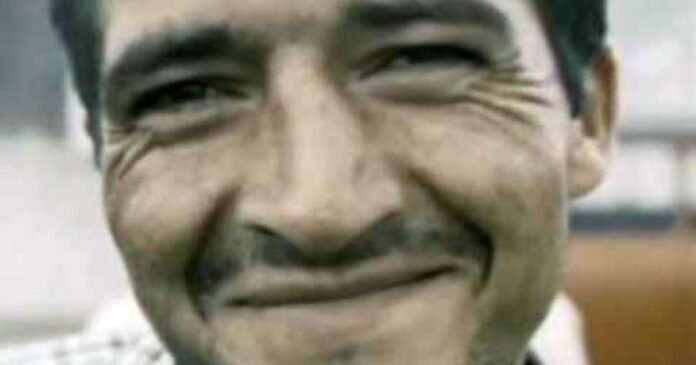
A notorious serial killer and rapist, known for committing over 100 murders, sheds light on the notion that monsters are created rather than born. Operating across Latin America from 1969 to 1980, Pedro Alonso Lopez, labeled the “Monster of the Andes,” horrifically preyed on young girls, particularly those from marginalized communities. Lopez’s methodical approach, targeting vulnerable victims like street children, allowed him to evade capture for an extended period.
With a chilling modus operandi, Lopez enticed his victims with false promises before subjecting them to unspeakable acts of violence. Despite his distinct physical features, including a scar and missing teeth, Lopez managed to evade authorities for years, boasting a sinister confidence as he roamed freely. Eventually apprehended in Ecuador in 1980, Lopez confessed to an alarming number of murders, leading to the discovery of mass graves containing his victims.
Although Lopez’s confession implicated him in numerous heinous crimes, he was only convicted for offenses committed in Ecuador due to legal limitations. After serving a reduced sentence for “good behavior,” Lopez faced further legal troubles in Colombia but was later released from a psychiatric institution. Despite being spotted in 1999, Lopez remains a fugitive, with an international arrest warrant issued against him.
The twisted motivations behind Lopez’s atrocities can be traced back to a troubled childhood marked by abuse and neglect. His early experiences of violence and trauma, coupled with a lack of stability, likely contributed to his descent into a life of crime. Experts suggest that Lopez’s traumatic upbringing mirrors common patterns observed in individuals who turn to extreme violence, highlighting the complex interplay of personal history and criminal behavior.

