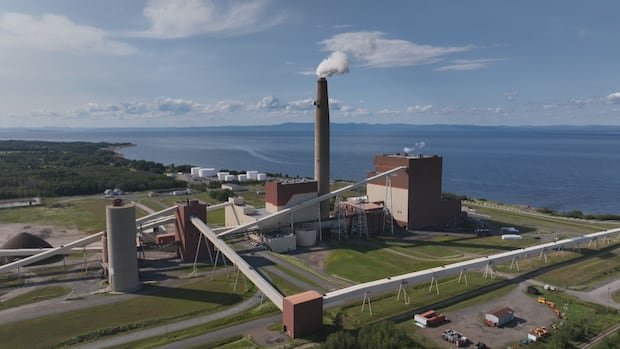
Two Mi’kmaw bands in New Brunswick are exploring the idea of hosting a small modular reactor (SMR) near the Belledune generating station to help transition away from coal by 2030. Pabineau and Eel River Bar leaders are considering a proposal that could provide baseload power for up to 40,000 homes initially. Chief Terry Richardson of Pabineau highlighted the environmental benefits and potential wealth-sharing opportunities for First Nations communities in the region.
The project involves transportable nuclear power plants that can be assembled at the Port of Belledune and shipped worldwide. Prodigy Clean Energy, a Canadian company, is spearheading this initiative and has garnered support from the local Indigenous communities. The company received federal funding for the project, aiming to deploy commercial fleets of SMRs.
Karen Narvie, a band councillor for Eel River Bar, expressed the community’s interest in clean energy projects and potential partnerships. There is growing curiosity about visiting existing nuclear power plants for firsthand experience. The Ontario-based Darlington New Nuclear Project, with plans for SMR development, involves Indigenous ownership, setting a precedent for similar initiatives in New Brunswick.
The push for nuclear energy aligns with Canada’s national strategy, which envisions the deployment of up to 10 new reactors by 2035. Financing details are pending, but the strategy emphasizes Indigenous participation and economic reconciliation. Prodigy Clean Energy believes SMRs could address energy needs in remote areas and drive economic growth while minimizing environmental impact.
New Brunswick Energy Minister René Legacy affirmed the government’s interest in exploring nuclear technology, citing the potential for northern New Brunswick to serve as a test site. The province’s involvement in SMR development signals ongoing commitment to advancing clean energy solutions. Community members are actively engaging with the project, raising questions about safety, environmental protection, and the overall impact on their way of life. Further discussions and site visits are planned to address these concerns and shape the future of nuclear energy in the region.