During a heat wave and significant drought affecting Britain this summer, Divya Hariramani was trimming a plum tree in south London when she observed an issue with one of its branches.
The branch was on the verge of detaching completely from the tree. Employees at Mitcham Community Orchard informed her that the fruit tree was under stress.
“It’s primarily due to the heat. When trees cannot supply adequate water to their parts, certain sections will simply fall off,” explained Hariramani, who chronicles fruit trees and their caretakers throughout the city on her social media platform, Fruity Walks.
While many tourists may associate London with its iconic stone buildings, the city, which boasts over 2,000 years of history, is also celebrated for its expansive urban forest, often referred to as the largest globally.
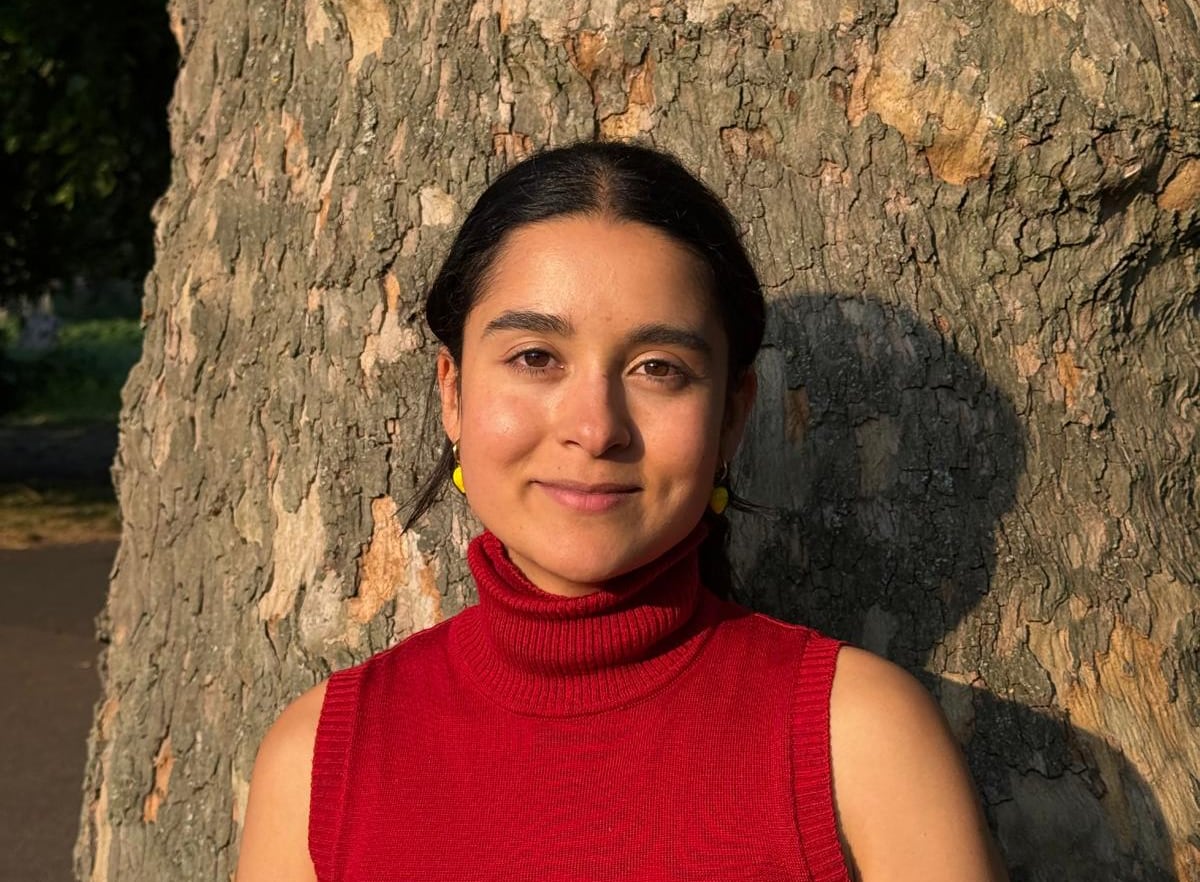
Divya Hariramani shares her insights on fruit trees and their caretakers across London through her social media account Fruity Walks. (Submitted by Divya Hariramani)
However, this year has posed challenges for the typically verdant canopy, as five consecutive heat waves and a significant shortage of rainfall have placed immense pressure on plants and wildlife.
Conditions are expected to worsen for the city’s eight million trees.
By the century’s end, a recent study from the Royal Botanic Gardens Kew indicates that approximately 73 percent of London’s trees may face a risk of dying as a result of climate change.
Record Dry July
The arboriculture team at Kew Gardens collaborated with the Greater London Authority to evaluate a sample of more than a million public trees, discovering that 62 percent currently exhibit “low suitability” for the climate conditions anticipated by 2090 without intervention to curb emissions. Furthermore, nearly 11 percent are deemed “vulnerable.”
This issue is not merely a concern for the future. In 2022, Kew lost 400 of its 11,000 trees due to extreme heat and drought. The gardens have preserved the skeleton of one red oak, painting it red as a testament to the impact of climate change on London’s trees.
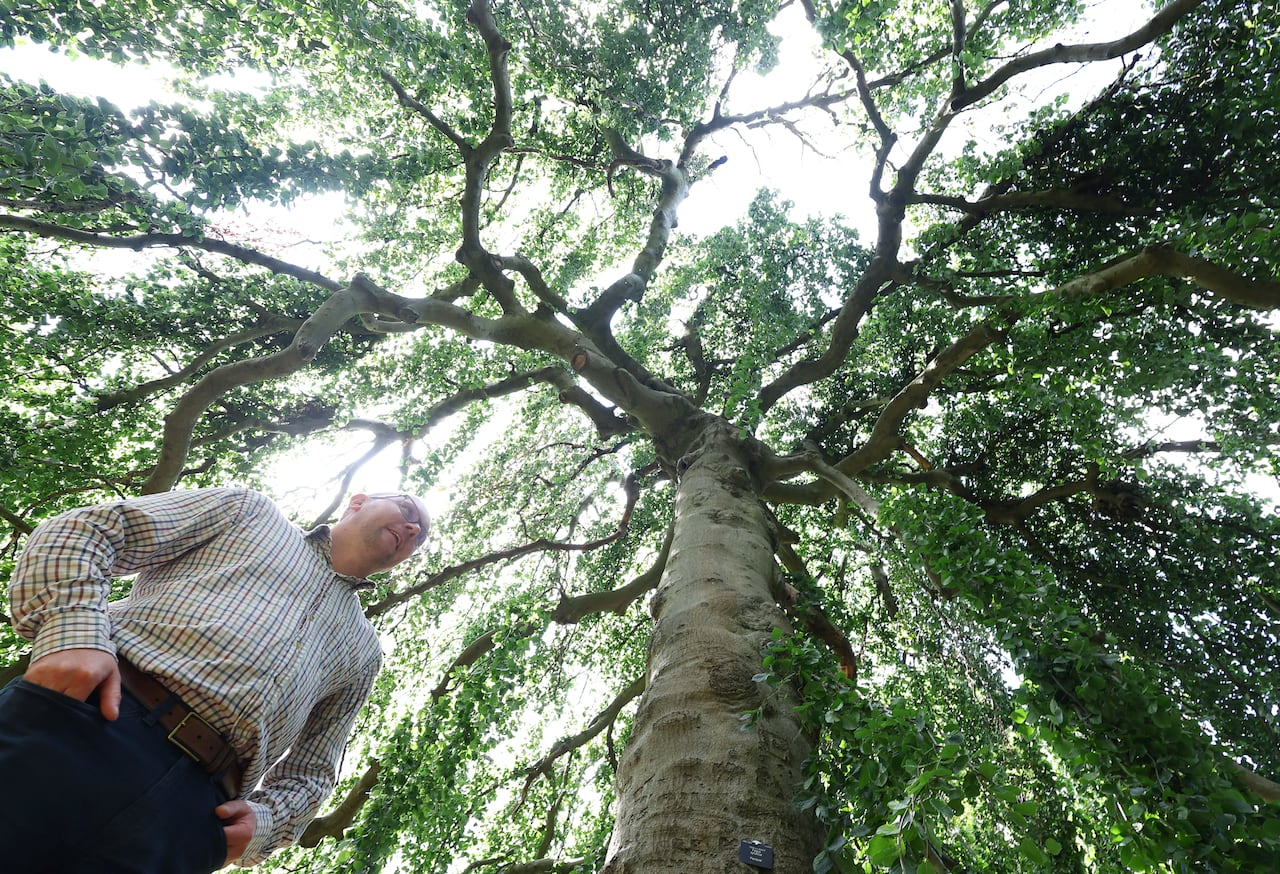
Kevin Martin, head of tree collections at Royal Botanic Gardens Kew, examines a willow beech tree affected by drought dieback in 2024. Martin led a recent Kew Gardens report evaluating the risk to London’s urban tree canopy due to climate change. (Toby Melville/Reuters)
Kew highlighted these findings and unveiled the red tree ahead of Climate Action Week in June, during which Britain and Europe were already experiencing a second heat wave. By August, two additional heat waves occurred, and a severe drought was declared across much of England and Wales. July saw virtually no rainfall, marking it as the driest July on record in Britain.
Farmers faced crop losses, forecasted food shortages, and had to utilize winter feed supplies for livestock. In August, wildfires in certain regions triggered an emergency cellphone alert. In urban areas, park grass turned yellow and brittle, while tree branches and leaves appeared more droopy than normal. In some locations, trees shed their leaves entirely, creating an autumn-like scene in the middle of summer.
During the week in June when Kew released its report, Hariramani ironically had to cancel a group walk she had planned for Climate Action Week due to the extreme heat.
“It was literally one of the most significant walks related to such an important issue, and we couldn’t even carry it out,” stated Hariramani, whose professional focus is on sustainable design.
Could London Become More Like Barcelona?
As London continues to warm beyond the tolerance of its existing trees, botanists are considering the introduction of different tree species.
“Most projections indicate that by 2050, London’s climate will resemble that of present-day Barcelona,” noted Joe Richomme, a botanical horticulturist at Kew Gardens, during a recent visit to Kew’s Carbon Garden, where 35 trees and 6,500 plants have been selected to investigate how various species respond to changing climatic conditions.
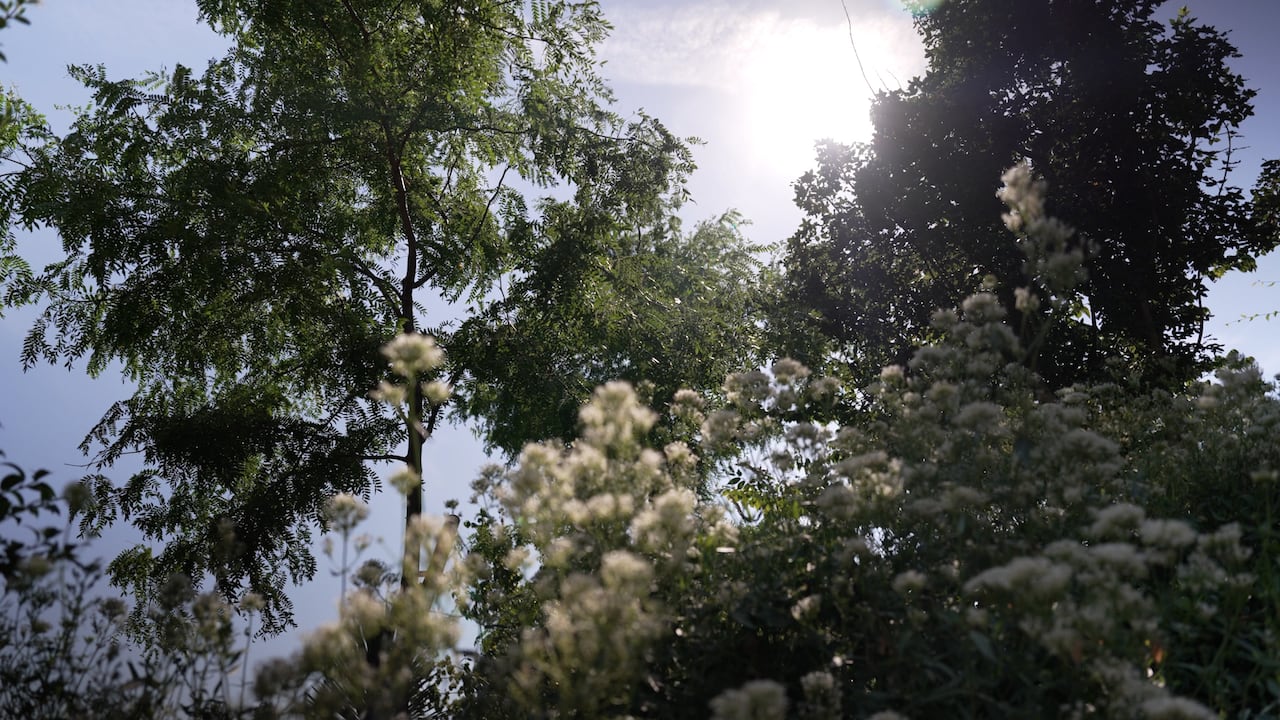
The Carbon Garden in London’s Kew Gardens aims to raise awareness about climate change through its diverse plant selection, demonstrating how biodiversity can endure amidst rising temperatures. (Lyza Sale/CBC)
Richomme elaborated that Kew is investigating which tree species might thrive better in hotter, dryer climates while also being resilient during England’s notoriously wet winters.
For instance, English oaks, native to Britain, have faced difficulties in the heat but have also adapted to thrive in warmer regions, such as the southern United States.
‘They’re Irreplaceable’
Paul Wood has authored four books and two maps focused on London’s trees, influenced by his childhood experiences playing in the forests of southern England — and amusingly, his name.
“It’s a case of nominative determinism,” Wood chuckled during a phone conversation in mid-August, referencing the notion that individuals are drawn to careers that align with their names.
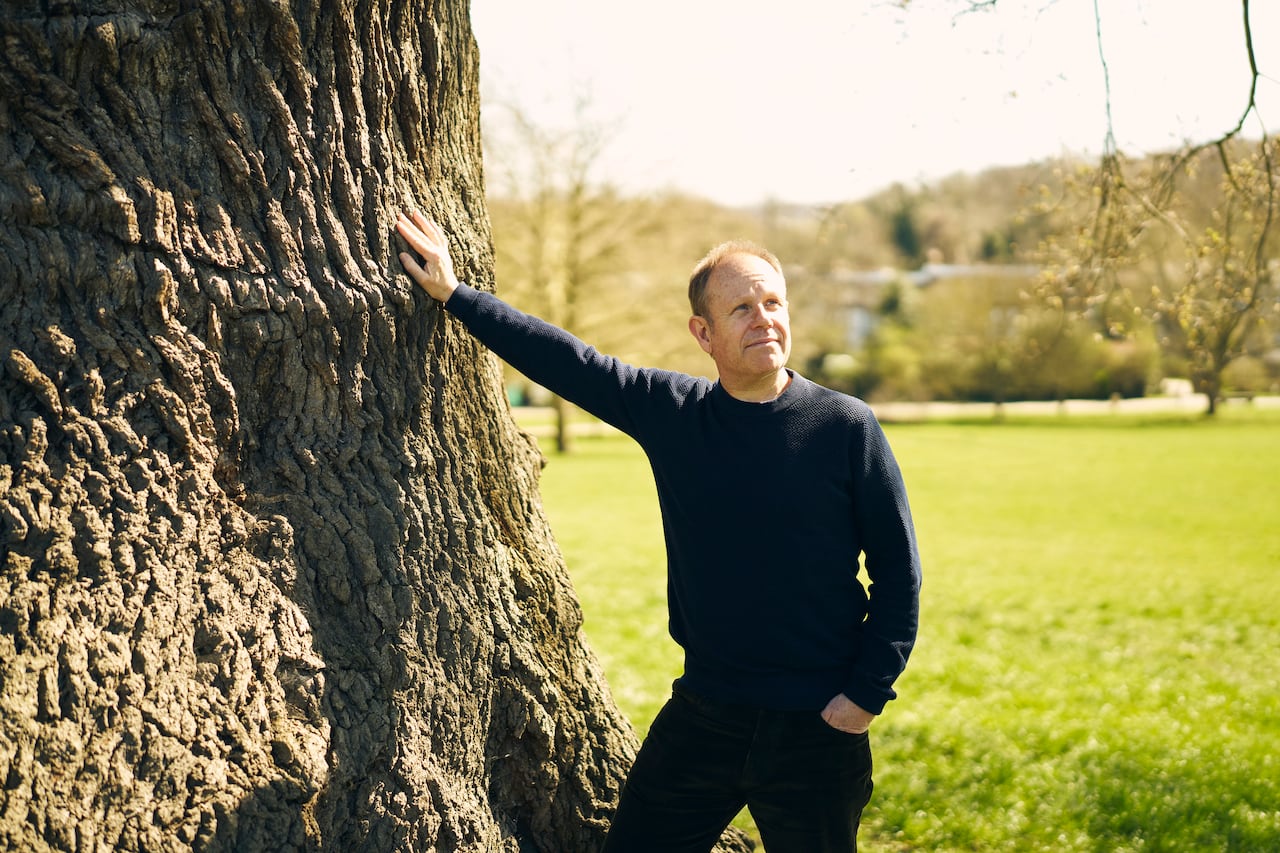
Paul Wood is the author of a blog and several books about London’s trees. (Submitted by Paul Wood)
He has also built a career centered around documenting London’s rich tree canopy and the cooling and soothing effects it provides to both residents and visitors.
However, he is increasingly concerned about the future of London’s green streets and ancient woodlands as the city grapples with unprecedented heat and drought.
“Locations such as Highgate Woods and Sydenham Hill Woods, Oxleas Woods, and Hampstead Heath, which contain native woodlands, are really struggling under the current climate,” Wood remarked.
Some of these areas are home to trees that are over 1,000 years old, having survived through significant historical events, including the Norman conquest, the Magna Carta, and the works of Shakespeare. They have witnessed the construction of Victorian railways and the early developments of the London Underground.
“It would be truly devastating to lose them,” Wood emphasized, acknowledging that the trees’ historical significance is just one aspect of their value; the biodiversity they sustain is equally critical.
“They are irreplaceable.”