High-tech surveillance technology, including cameras, drones, and AI systems, are revolutionizing law enforcement strategies in combating property crimes at remote industrial sites in Alberta. In a recent incident on June 6 in Red Deer County, a local gas plant experienced two fuel theft attempts within a short timeframe.
The first break-in occurred around 3 a.m., but the culprits were swiftly apprehended after their getaway vehicle malfunctioned. Cpl. Mathew Howell, a spokesperson for Alberta RCMP, credited the quick resolution to the breakdown of the escape vehicle.
Later that day, at 1:21 p.m., a second group targeted the same plant. Authorities leveraged live surveillance footage from Zedcor, a private security firm at the site, to track the suspects. The real-time feed enabled a coordinated effort involving a police drone and multiple RCMP units to intercept the vehicle and make arrests.
These incidents shed light on the broader issue of rural crime in Alberta. Statistics Canada’s 2023 report revealed a 54% higher rural crime rate compared to urban areas in the province. A 2026 federal Senate report also highlighted a concerning rise in copper theft at critical infrastructure sites nationwide.
Cpl. Howell emphasized that rural industrial sites with valuable assets are frequent targets for criminals. However, advancements in technology, such as high-definition cameras and license plate readers, have significantly enhanced law enforcement’s ability to gather intelligence and investigate crimes efficiently.
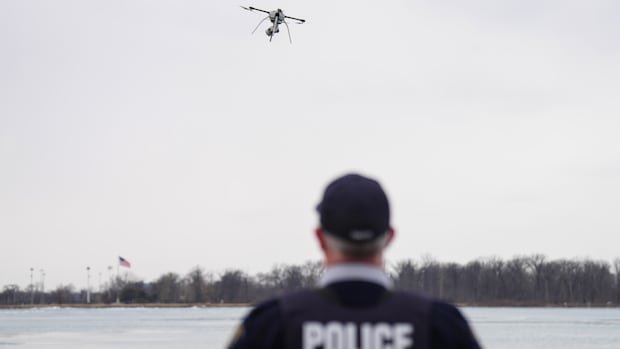
Alberta RCMP has expanded its drone program to aid in responding to rural incidents, utilizing infrared thermal sensors to enhance search capabilities. This proactive approach minimizes the need for high-speed pursuits, reducing safety risks on rural roads.
James Leganchuk, president of Zedcor Security Solutions, emphasized the importance of proactive security measures over reactive responses. The company employs mobile surveillance towers equipped with AI analytics to swiftly identify threats and alert monitoring centers in real-time.
The demand for advanced surveillance technology is rising, with Zedcor’s fleet of mobile towers growing from 180 units in 2018 to approximately 5,000 this year. Kelly Sundberg, a criminology professor at Mount Royal University, praised the effectiveness of surveillance technologies in managing vast rural areas but called for stringent ethical guidelines and oversight to ensure responsible use.
Sundberg advocated for academic institutions to play a more significant role in overseeing the ethical deployment of surveillance technologies and providing training for public employees and security professionals. He stressed the importance of maintaining ethical standards and protecting the privacy of individuals while leveraging technological advancements in law enforcement.