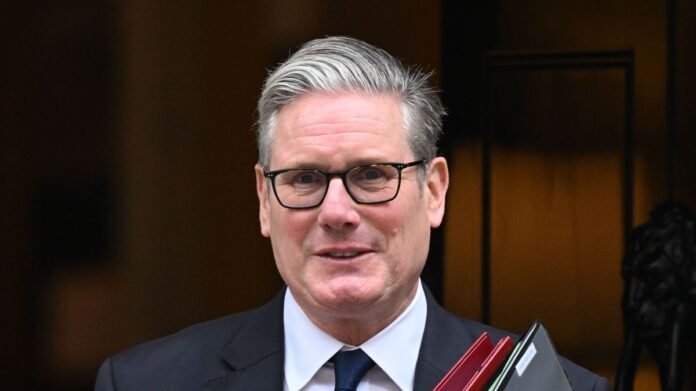
Fortune favors the brave, as an ancient Roman proverb states, and a recent poll showing eco-socialist Zack Polanski of the Greens leading over Keir Starmer and Labour for the first time serves as a warning signal.
Although based on a single survey, murmurs among Labour MPs and ministers have been consistent about losing more voters and party members to the left, rather than the right, with Nigel Farage, a fan of Thatcher, gaining support for Reform UK mainly from the struggling Conservatives led by Kemi Badenoch.
Reform UK’s rise as a significant minority player in a diverse political landscape has been notable. The trend indicates a shift where loyalists are gravitating towards the Greens and possibly Jeremy Corbyn’s Your Party, reflecting a broader political realignment.
Even the Liberal Democrats under Ed Davey, capitalizing on disillusioned Tory voters, have become a minor recruitment ground for disenchanted Labour supporters.
A senior Cabinet Minister stressed the importance of Starmer’s ability to drive meaningful change for people’s lives. However, merely delivering improvements may not suffice without presenting a compelling vision for the future that resonates with the public, ensuring Labour receives due credit for its initiatives.
The global political landscape offers examples of progressive movements making headway against divisive narratives. Instances such as the election of left-winger Catherine Connolly in Ireland, the victory of Rob Jetten’s liberal-progressive D66 party in the Netherlands over anti-immigration forces, and the rise of young Muslim socialist Zohran Mamdani in New York illustrate the potency of inclusive and transformative agendas.
Strategic voting patterns, as seen in the recent Caerphilly election in Wales, where Plaid Cymru gained ground with a leftist pitch, suggest a potential shift in the political dynamics, challenging the dominance of Farage’s Reform UK and offering alternatives to traditional party structures.
Growing discontent within Labour ranks indicates a growing sentiment that Starmer’s leadership may need reassessment. Calls for a more radical government approach to garner public approval, despite positive policy actions such as wage increases and healthcare support, are gaining traction among party members.
Amidst evolving political narratives, figures like Polanski of the Greens are gaining prominence for their boldness and vision, potentially reshaping the party landscape.
Proposals for a tax on wealthy individuals leaving the UK highlight the need to address existing wealth disparities and ensure a fair contribution from affluent segments, aligning with broader calls for economic justice and social equity.
Critiques of excessive military spending, exemplified by delays and inefficiencies in the RAF’s F-35 program, underscore the necessity to prioritize resource allocation effectively and avoid wasteful expenditures on defense procurement.
Addressing concerns over the prioritization of defense spending over social welfare and international aid is crucial to prevent the normalization of discriminatory narratives and promote a more inclusive and equitable society.
Reflecting on the importance of diverse voices in shaping political discourse, the role of figures like Louise Haigh in challenging stereotypes and advocating for progressive policies underscores the value of inclusive leadership within political spheres.
As political landscapes evolve, the need for parties to adapt to changing dynamics and address societal concerns becomes imperative to maintain relevance and foster public trust in governance.

