Families raising children affected by Long Covid feel neglected and invisible, according to feedback from a national investigation. Many children experience severe disabilities and confinement to their beds due to the lingering effects of the virus, a condition that some healthcare professionals within the NHS are hesitant to acknowledge.
Parents expressed their dismay upon learning from the Covid-19 Inquiry that medical practitioners were advised not to diagnose children with Long Covid during the pandemic. Consequently, numerous families, like the 11,000 supported by Long Covid Kids charity, feel marginalized and dismissed by healthcare providers who often overlook the impact on children, assuming it only impacts adults.
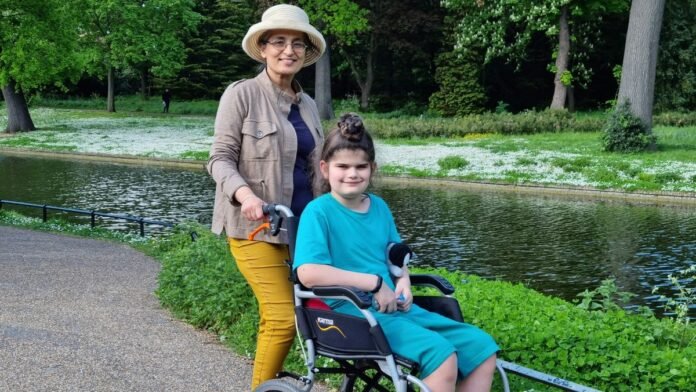
One mother, Harbinder Dhaliwal, shared her struggles caring for her three children with Long Covid, highlighting the challenges and disruptions it has caused in their lives. The children, formerly active and academically inclined, are now reliant on wheelchairs and face cognitive impairments, drastically altering their daily routines and aspirations.
Similarly, Jana Touati narrated her son Samir’s deterioration after contracting Long Covid when schools reopened without adequate precautions. Samir, once vibrant and healthy, now relies on a wheelchair, experiencing mobility issues, cognitive challenges, and muscle spasms.
Statistics from the Office for National Statistics reveal that approximately 72,000 children and young individuals have reported Long Covid symptoms after a subsequent Covid-19 infection. However, the number of children facing long-term disabilities remains unknown due to the lack of formal diagnoses.
The reluctance of healthcare systems, schools, and social services to acknowledge Long Covid in children exacerbates the situation for affected families. Parents like Harbinder stress the absence of proper diagnostic pathways, resulting in children being mislabeled or disregarded as having mental health issues.
In response to these challenges, various advocacy groups and individuals have called for increased recognition and support for children battling Long Covid. The government and NHS have initiated efforts to address the issue, including the establishment of specialized clinics and research funding to enhance understanding and treatment options for Long Covid in children.
Despite some progress, the stories of families grappling with the long-lasting effects of Long Covid underscore the urgent need for comprehensive care, recognition, and support for affected children.

