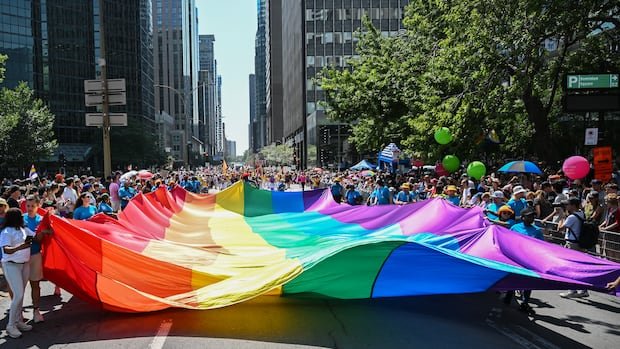
As Quebec celebrates pride month, political candidates from diverse sexual and gender backgrounds running in the upcoming provincial election are raising concerns about a surge in hateful messages targeting them. Québec solidaire is grappling with an unprecedented wave of online hate directed at its 2SLGBTQ+ candidates, with party president Roxane Milot voicing alarm over the situation. Milot, a bisexual candidate from Montreal, highlighted the detrimental impact of online violence on marginalized candidates, noting the barriers it creates for individuals from diverse backgrounds considering entering politics.
Recent incidents have underscored the severity of the issue, with one of Québec solidaire’s candidates, Vanessa Durand, withdrawing from the race after making offensive remarks towards Parti Québécois supporters from 2SLGBTQ+ communities. Philippe Schnobb, a Parti Québécois candidate who identifies as part of the sexual and gender diverse community, has also been subjected to homophobic hate messages, including threats. Despite facing intolerable remarks, Schnobb expressed reluctance to pursue legal action at this time, emphasizing the need to address sensitive issues respectfully as the election approaches.
In a separate development, Liberal Leader Charles Milliard, who is openly gay, faced scrutiny earlier this year when asked about the possibility of Quebecers electing a gay premier. Milliard emphasized the importance of transparency in politics and denounced homophobic comments directed at him on the International Day Against Homophobia and Transphobia. The prevalence of homophobic and transphobic remarks in political discourse has prompted parties across the spectrum to enhance support mechanisms for candidates facing online abuse.
Quebec Conservative Party Leader Éric Duhaime, also openly gay, acknowledged receiving hateful comments online but opted not to draw further attention to them. As parties acknowledge the evolving landscape of online violence, initiatives such as support groups and training sessions have been implemented to assist candidates in navigating challenging situations. Both Québec solidaire and the Liberal party have established structures to provide support and guidance to candidates, reflecting a collective effort to address and mitigate the impact of online harassment in the political arena.