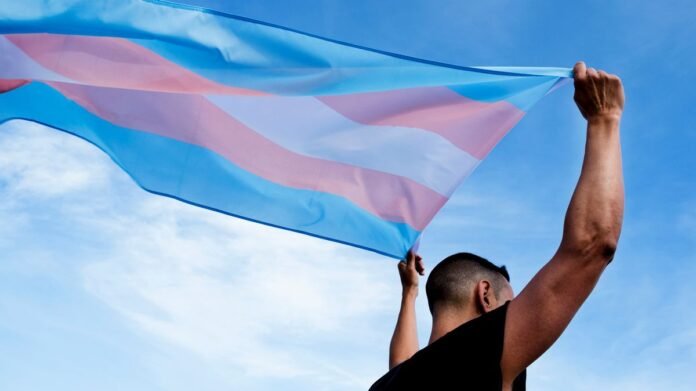
The discussion surrounding transgender rights is fundamentally a matter of human rights. It is crucial to acknowledge that the equality, well-being, and very existence of transgender individuals should not be subjected to debate or scrutiny in terms of approval or disapproval.
In a society where mutual respect and goodwill should prevail, it is essential to recognize that no compassionate individual would seek to undermine or question another person’s right to live and be acknowledged.
Recent reports from The Times on November 19 revealed that Bridget Phillipson, the Minister for Women and Equalities, had been provided with guidance by the Equality and Human Rights Commission (EHRC) regarding the management of ‘single sex spaces.’ The guidance suggested the potential exclusion of transgender individuals from single-sex facilities based on their physical appearance.
Defining womanhood solely based on outward appearances is a narrow perspective. There is no singular characteristic that defines femininity. Women are not defined by their biology, as historical feminist struggles have emphasized the importance of autonomy beyond physical attributes.
The concern about fitting into predefined gender norms for access to gender-specific spaces is a regressive notion that restricts societal diversity and inclusivity. Imposing rigid standards on gender identity can lead to unwarranted scrutiny and discrimination.
Advocates for strict regulation of single-sex spaces may be unaware of the harm such actions can cause, or they may simply be indifferent to the potential consequences. The scrutiny of individuals in these spaces can erode privacy and dignity, affecting not only the transgender community but also women in general.
While it is important to ensure access to single-sex provisions for women in sensitive settings like domestic violence services and rape crisis centers, it is equally crucial to treat transgender individuals with dignity and respect.
Engaging in public debates about restricting access to certain spaces goes against the principles of respect and dignity. Using politics to dictate the rights of transgender individuals is an evasion of moral responsibility and can have detrimental effects on their well-being.
The recent UK Supreme Court ruling reaffirming that the term ‘woman’ in the Equality Act 2010 refers to biological sex reflects ongoing debates about gender identity and legal definitions.
Despite being a minority group, individuals with different gender identities face significant challenges, including online and real-world hostility. Focusing on divisive issues rather than addressing broader societal concerns is counterproductive and divisive.
It is crucial to reject fear-mongering and discrimination against any minority group, as a diverse and inclusive society benefits all its members. Embracing diversity enriches society and fosters a more equitable and compassionate community.