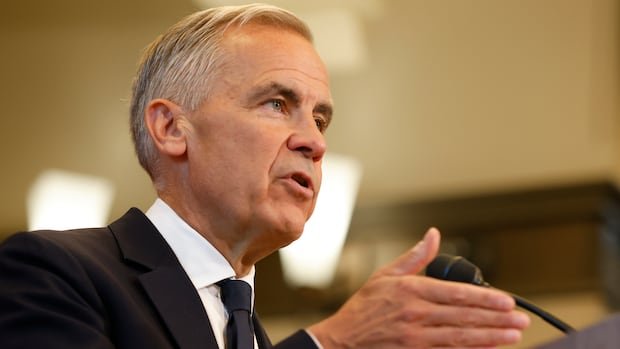
Prime Minister Mark Carney cited key reasons for withdrawing from negotiations with the Trump administration, highlighting that the proposed terms would harm major Canadian industries such as automotive, steel, and aluminum sectors. The breakdown of the deal, which occurred late Friday, faced scrutiny and demands for transparency from the Conservative party.
Carney, speaking in Lévis, Que., mentioned that progress was made initially but momentum shifted, leading to an impasse due to incompatible demands from both sides. U.S. Vice-President JD Vance countered, accusing Canada of presenting unreasonable last-minute requests.
Although details of the negotiations were not publicly disclosed by the federal government, Ontario Premier Doug Ford labeled the deal as unfavorable and commended Carney for not proceeding. Flavio Volpe, part of Canada’s advisory committee, explained that discrepancies arose when translating the verbal agreements into written terms.
The negotiation breakdown stemmed from the exclusion of medium and heavy-duty trucks from tariff relief, impacting vital vehicles like Ford’s F-Series pickups and GM Silverado made in Ontario. Additionally, the U.S. sought limitations on Canada’s ability to engage in independent trade agreements, impeding Canada’s sovereignty objectives.
Carney emphasized that any alignment on sectoral tariffs should benefit Canada, rejecting impositions that do not serve mutual interests. Insufficient movement on steel, aluminum, and derivative product tariffs was another sticking point, with the U.S. proposing reductions but maintaining countervailing duties.
The discourse also touched on cultural aspects, with the U.S. challenging bilingual product labeling requirements in Canada. Carney criticized American objections to French-language content regulations on streaming platforms. Potential concessions by Canada, if reciprocated with substantial tariff reductions, included revoking retaliatory tariffs and adjusting dairy import licenses.
The decision to walk away from the deal garnered support domestically, with polling indicating approval for Carney’s stance. LeBlanc emphasized the necessity of economically favorable offers from the U.S. to resume negotiations, particularly concerning steel, aluminum, autos, and forest products.