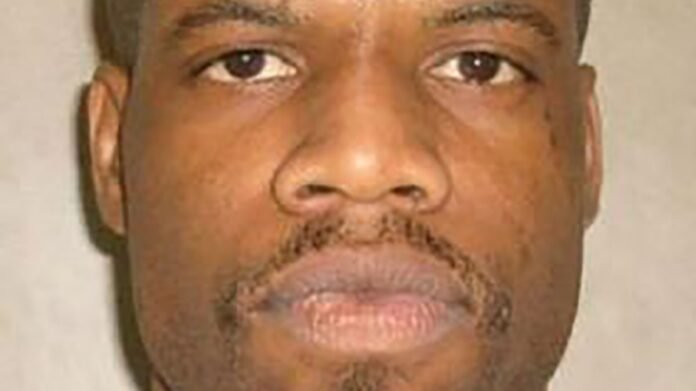
A condemned inmate faced a prolonged and harrowing execution that lasted nearly 45 minutes, resulting in a gruesome scene of blood in the chamber and the inmate writhing in pain.
Clayton Lockett, aged 38, met his fate in April 2018 at the Oklahoma State Penitentiary in the United States. His conviction stemmed from charges of murder, rape, and kidnapping, notably involving the shooting and live burial of 19-year-old Stephanie Neiman in 1999.
On the day of the execution, efforts to establish viable veins took over 50 minutes, ultimately resorting to using a vein in Lockett’s groin area. Reports detailed multiple needle punctures on his arms, legs, and neck during the process.
An incident occurred when a doctor punctured an artery while attempting the groin line, causing blood to spray in the chamber, creating a chaotic and bloody scene.
Following the administration of the lethal injection, Lockett did not pass away peacefully. Witnesses observed him thrashing, lifting his head and shoulders, and emitting groans, prompting prison staff to close the blinds on the witness chamber as the situation deteriorated. It took a distressing 43 minutes for Lockett to succumb.
A paramedic present at the scene described the doctor hitting an artery, leading to a chaotic situation with blood everywhere. Witness accounts noted Lockett mumbling as if trying to communicate, with his lawyer branding the execution as a botched and horrendous event.
Governor Mary Fallin ordered an independent review and a temporary cessation of other planned executions to examine Oklahoma’s protocols. This incident sparked a nationwide discussion on the use of drugs in executions, particularly questioning the adequacy of midazolam, the sedative employed in Lockett’s case.
Critics pointed out issues such as inadequate training for medical personnel and the lack of transparency in procedures as contributing factors to the tragic event, emphasizing the need for thorough scrutiny beyond just the drug combination.
Lockett’s fellow inmate, Charles Warner, had his scheduled execution in the same room delayed until 2015 due to the mishandling of Lockett’s execution proceedings.
Warner’s attorney, Madeline Cohen, present during Lockett’s execution, condemned the incident as a form of torture and called for a comprehensive investigation, demanding full disclosure of information regarding the drugs used, including their purity, efficacy, source, and testing results.