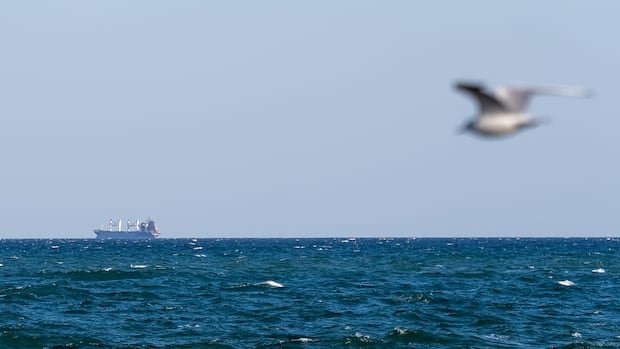
Mykola Lupar, a 29-year-old commander, leads a navy patrol boat from the Ukrainian Black Sea port of Chornomorsk, usually spending only a few minutes on the open water due to the threat of Russian jet-powered drones from Crimea. These drones pose a significant danger, especially when attempting to board vessels in rough seas.
Lupar mentioned the challenges of patrolling amidst Russian attacks, searching for mines and explosives, emphasizing the high risk in the waters, particularly for the merchant fleet.
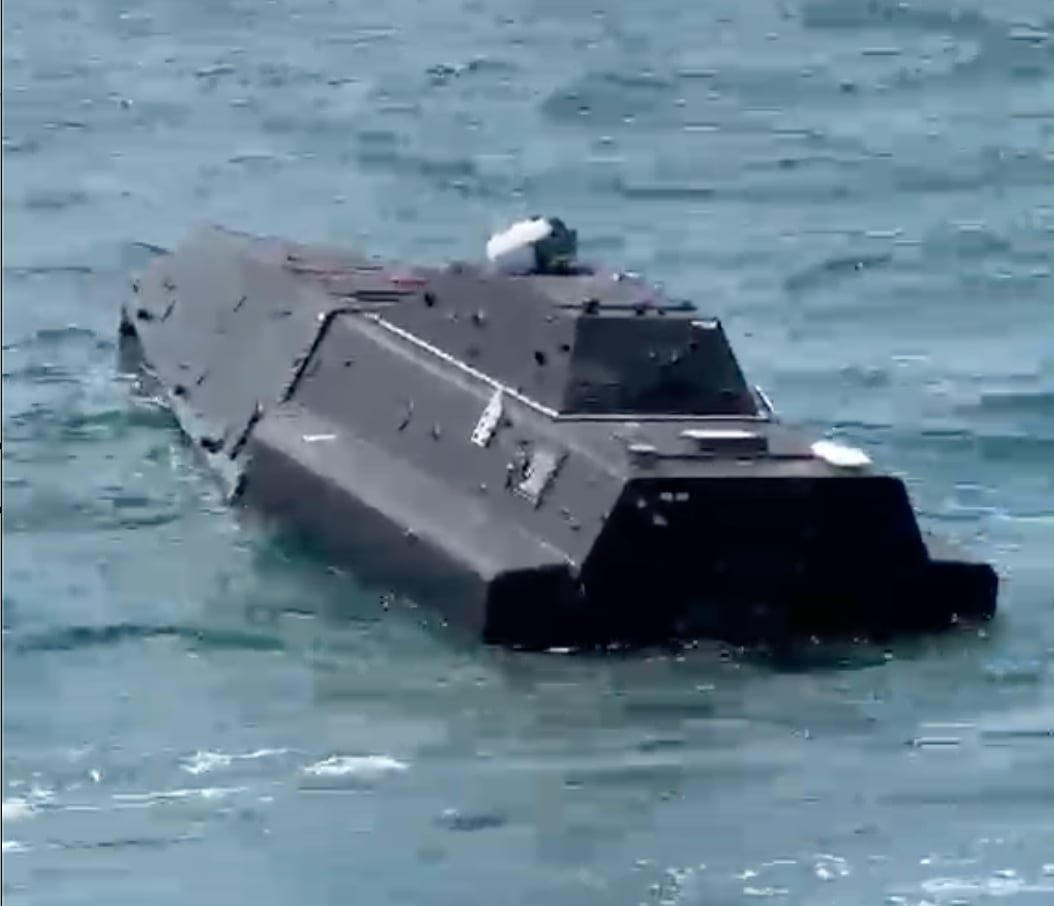
Experts warn that the conflict in the Black Sea is currently at its most intense level since Russia’s full-scale invasion in February 2022, with a significant increase in strikes on commercial vessels since mid-July of this year. These strikes aim to disrupt Ukraine’s exports and economy, while Ukraine retaliates by targeting Russian vessels and port infrastructure.
According to Ambrey, a British maritime risk firm, there were over 210 strikes on commercial vessels between July and September, with Ukraine responsible for 125 and Russia for 88. These attacks not only heighten risks in the Black Sea but also impact global grain supply due to reduced export capacity from both countries.
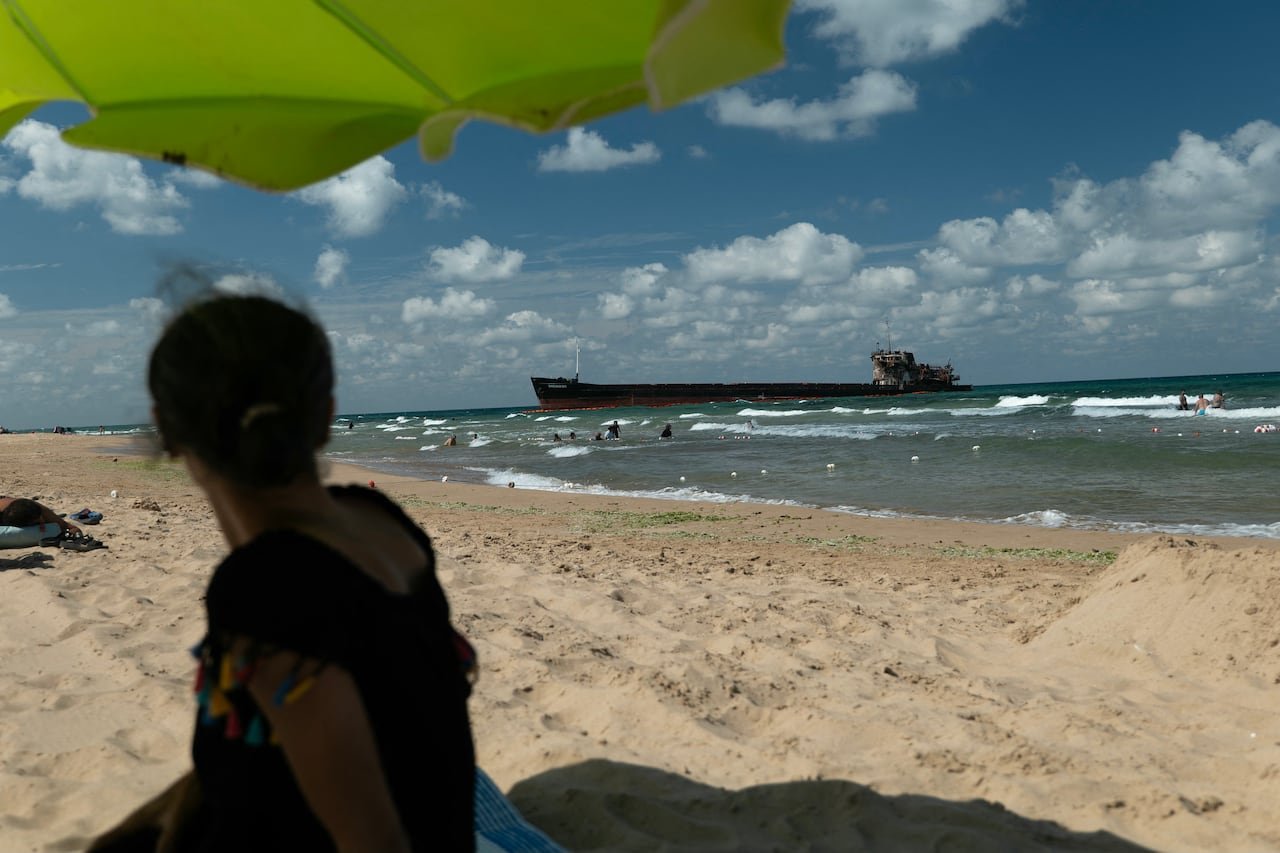
Russia and Ukraine collectively account for about a quarter of the world’s wheat exports, with a 60% decrease in their combined exports compared to the previous year. Efforts to negotiate a truce in the Black Sea have failed, causing concerns about rising global wheat prices and potential food shortages in the region.
Despite Russia claiming to target military assets, civilian ships have been hit, leading to casualties and disruptions in maritime activities. The ongoing attacks by both Russia and Ukraine have expanded the high-risk area in the Black Sea, with an increase in unexploded ordnance discovered in the region.
The disruption in shipping routes has impacted global food prices, with increased volatility expected as the conflict continues. Caitlin Welsh, from the Center for Strategic and International Studies, notes that the turmoil in the Black Sea, coupled with other global crises, is likely to further drive up food prices and exacerbate food insecurity worldwide.
The situation in the Black Sea has significant implications not only for Ukraine and Russia but also for the global food supply chain, with potential repercussions on food prices and security around the world.
Tag: rewrite-complete