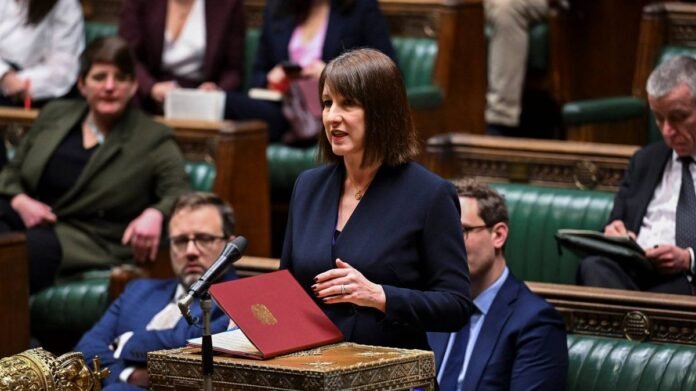
Rachel Reeves is reportedly planning to increase taxes in the upcoming Budget to secure £53 billion in new funding for the NHS. It is understood that the Chancellor is determined to safeguard this additional funding for the health service at all costs. Recent weaker economic forecasts are expected to have consequences at the Budget, with a potential rise in the basic rate of income tax and consideration of higher council tax bands for expensive properties.
The focus of the Chancellor, as reported by her allies, is on reducing waiting lists and national debt, with a commitment to delivering a 2.8% increase in the NHS budget. However, the Office for Budget Responsibility’s downgrade of UK productivity levels by 0.3% poses challenges, potentially leading to a significant increase in public sector borrowing without tax adjustments.
While Defence Secretary John Healey declined to confirm if Labour would uphold its manifesto pledge not to raise income tax or VAT, he emphasized the need for stronger economic growth to address the impact of past cuts and slow economic progress. The Chancellor faces budgetary gaps due to higher borrowing costs and inflation, with impending decisions on winter fuel payments and benefits cuts influencing her choices for the Budget.
Anticipated announcements include modifications to the two-child benefit limit following pressure from MPs and anti-poverty campaigners. Keir Starmer’s previous commitment not to raise VAT, national insurance, or income tax may face scrutiny, as recent statements suggest a potential shift in approach. The upcoming Budget on November 26 is expected to outline plans for building a robust economy, reducing NHS waiting lists, and securing a better future for the country.